Why no two are the same
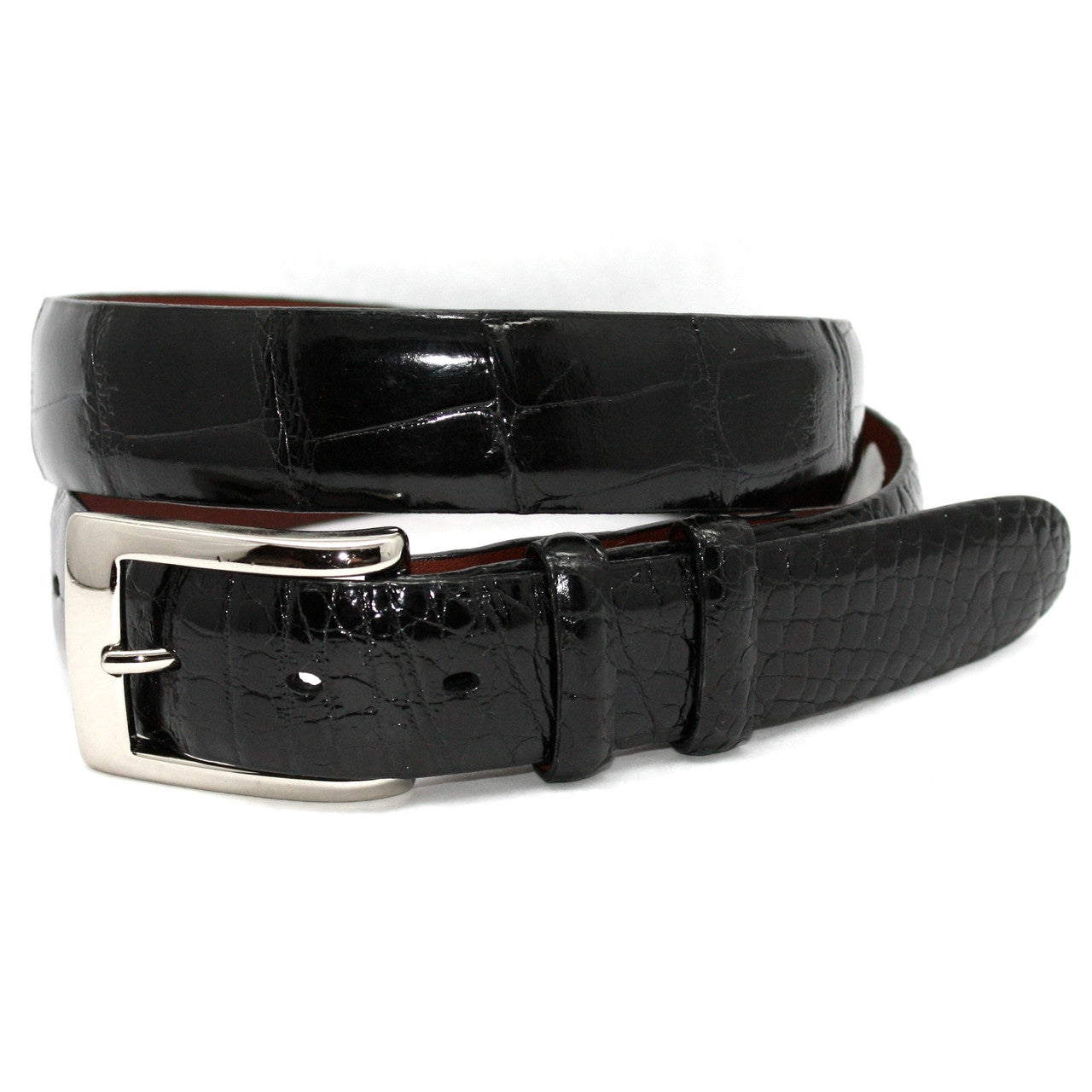
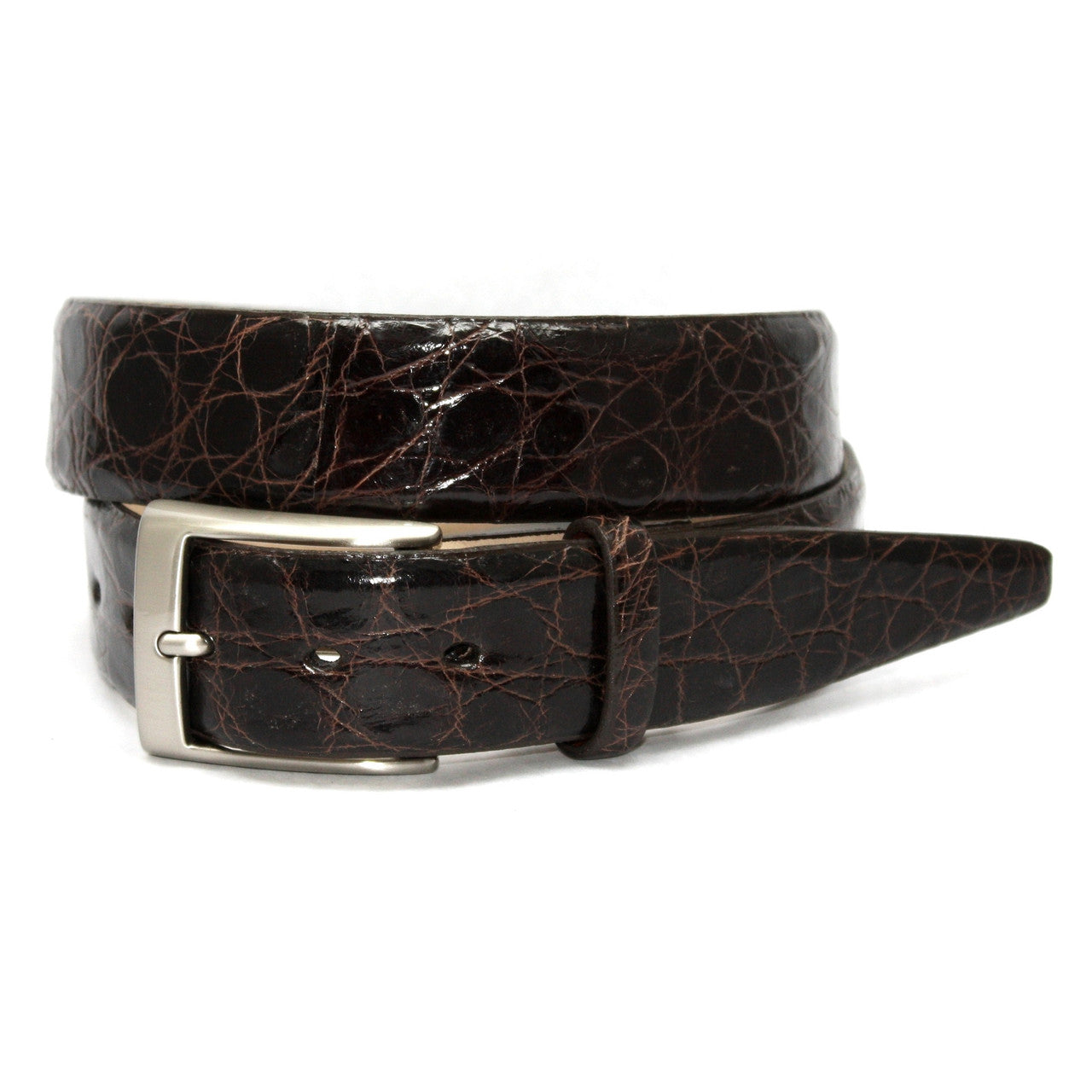
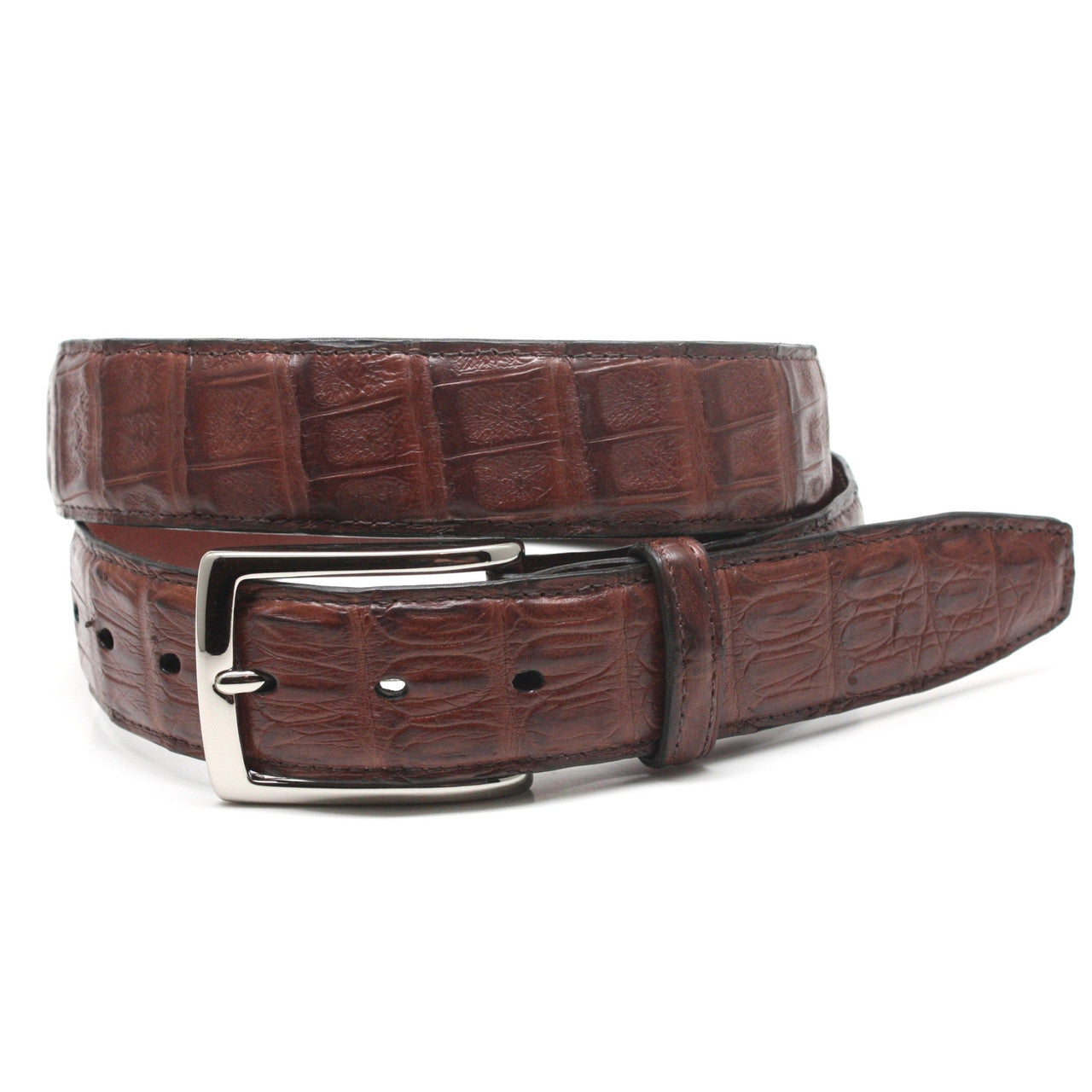
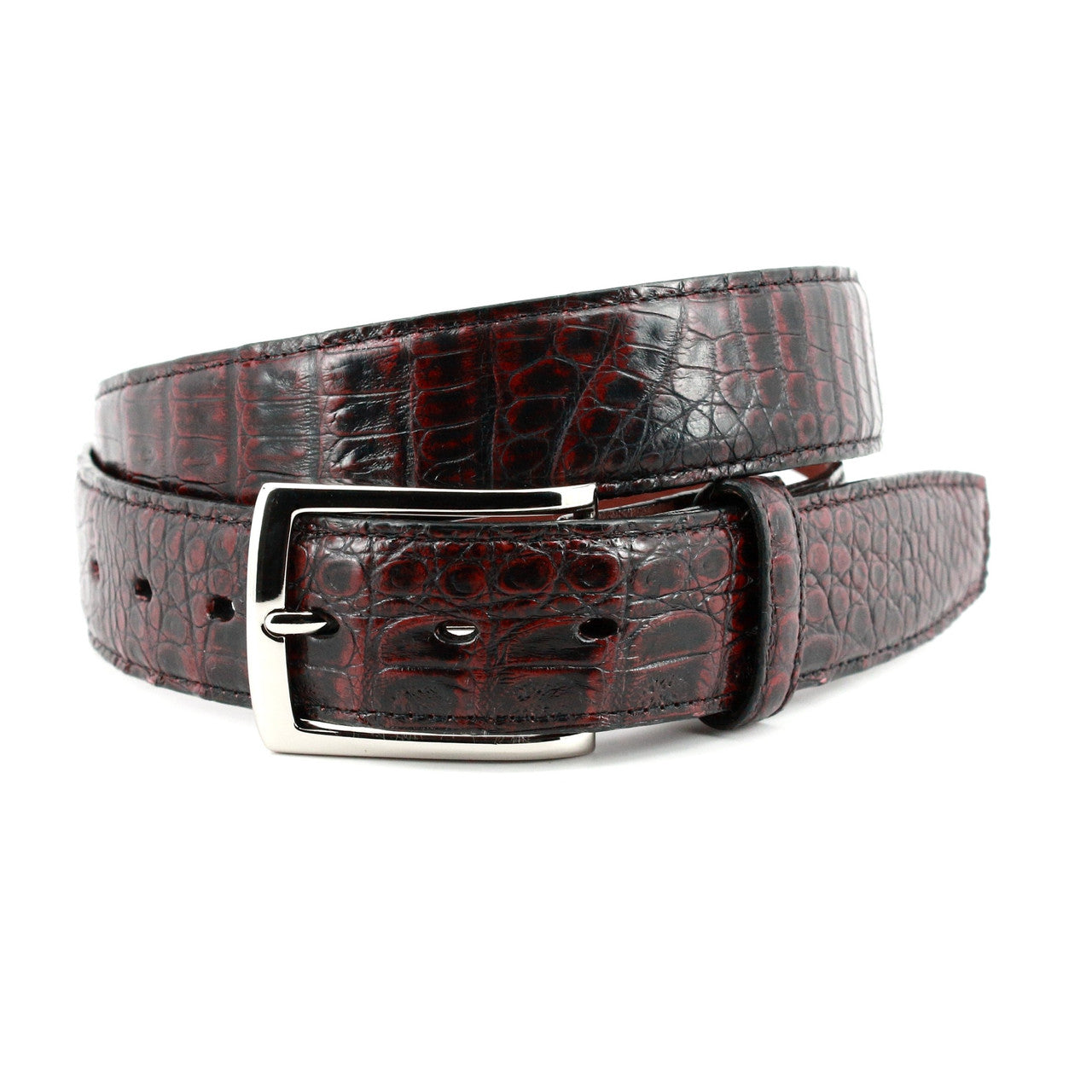
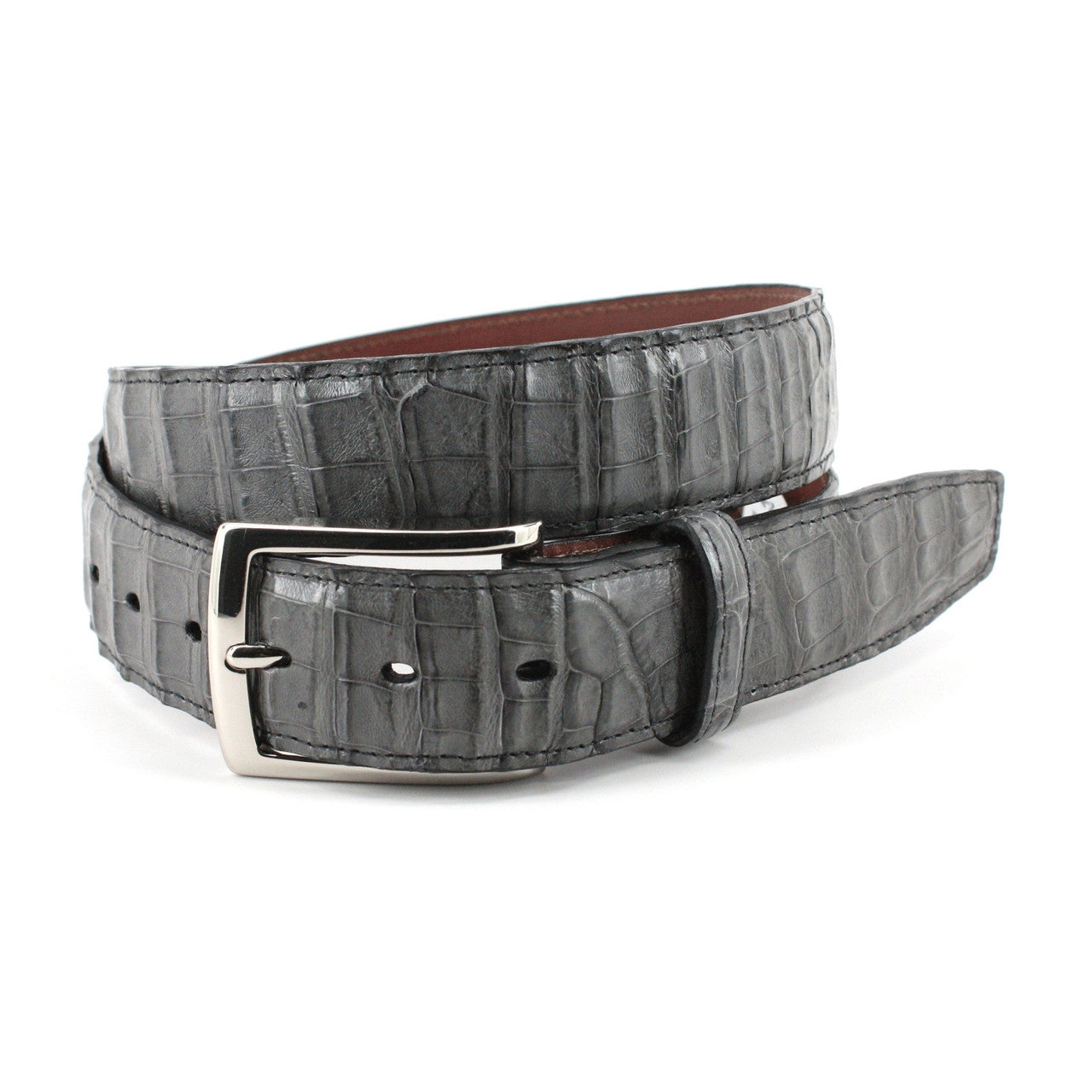
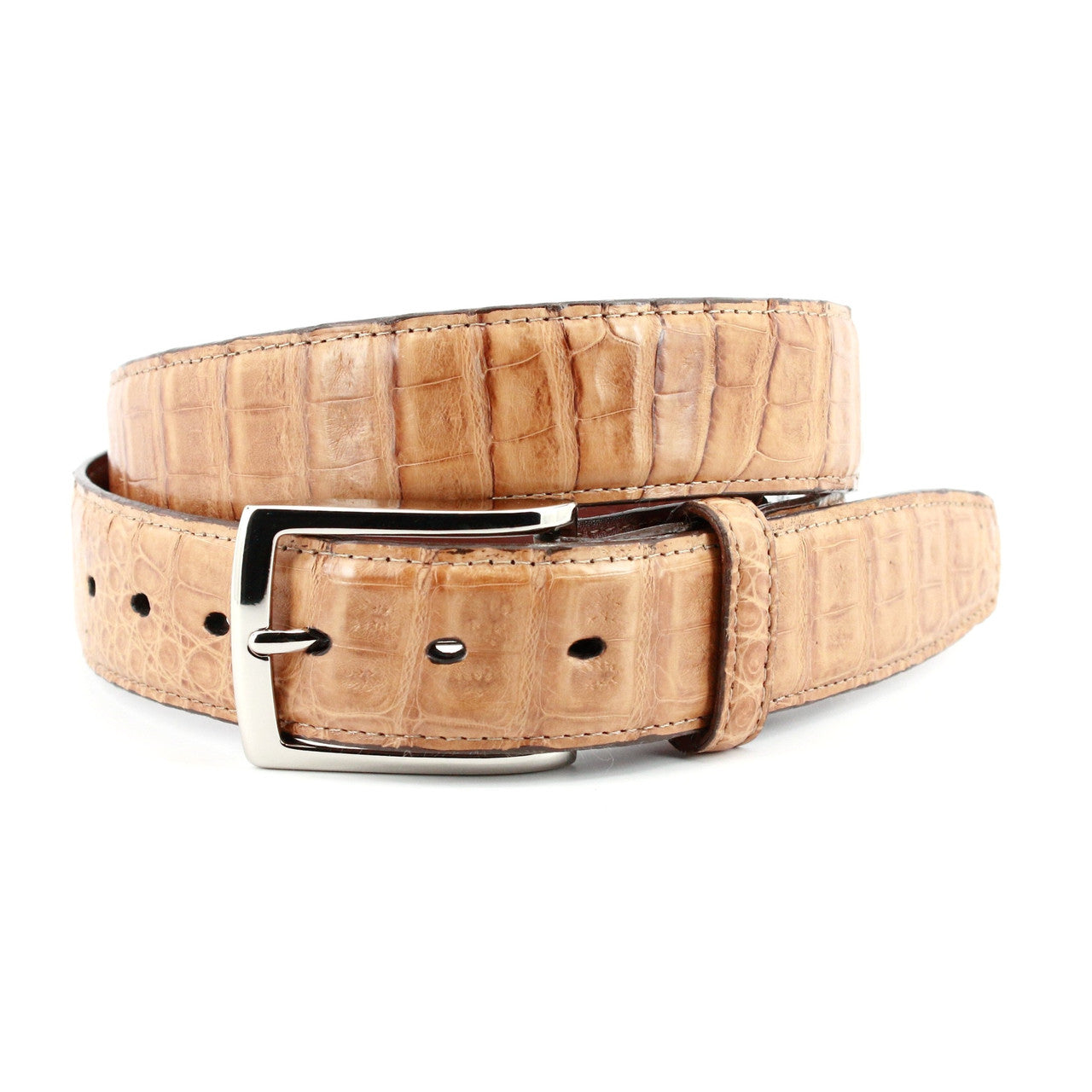
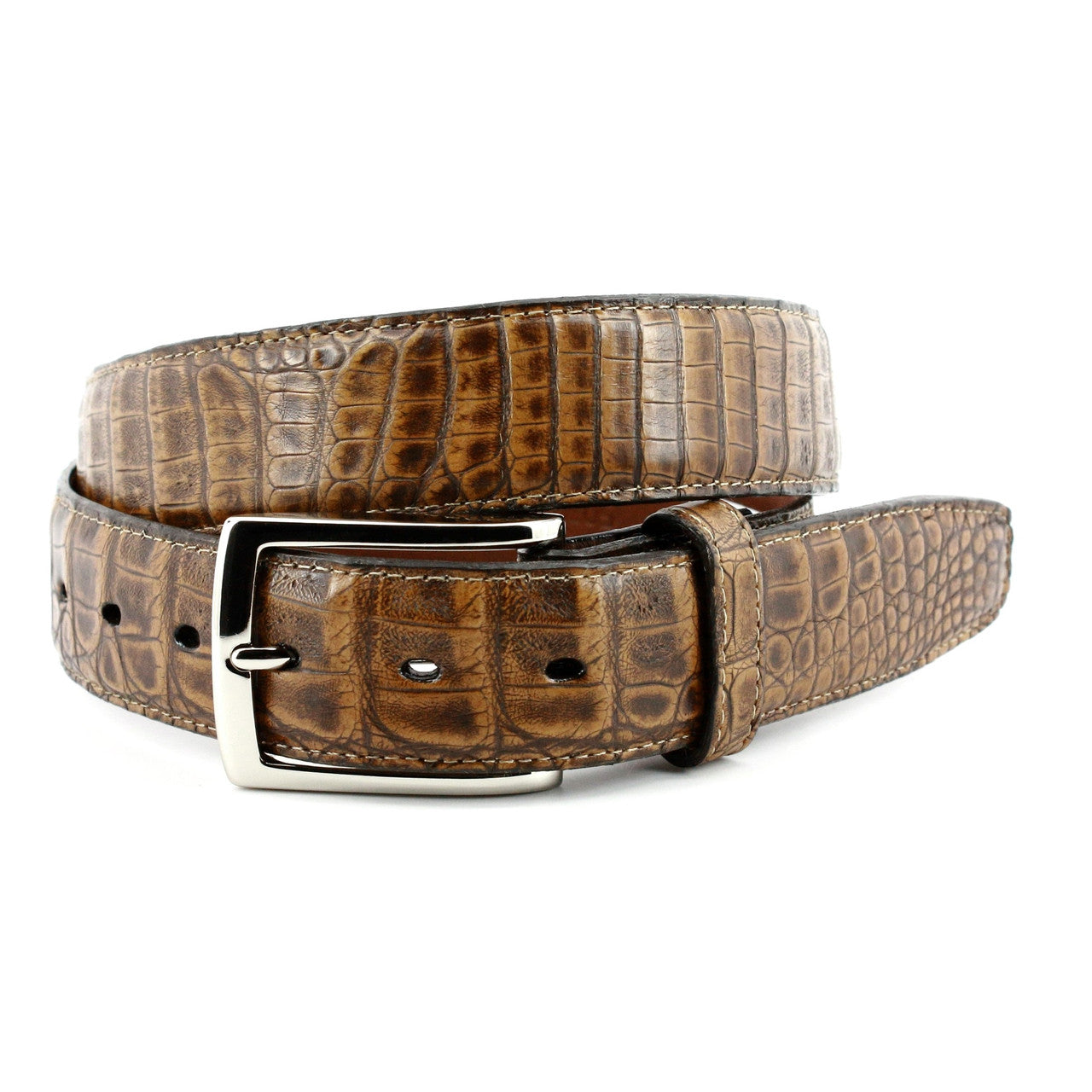
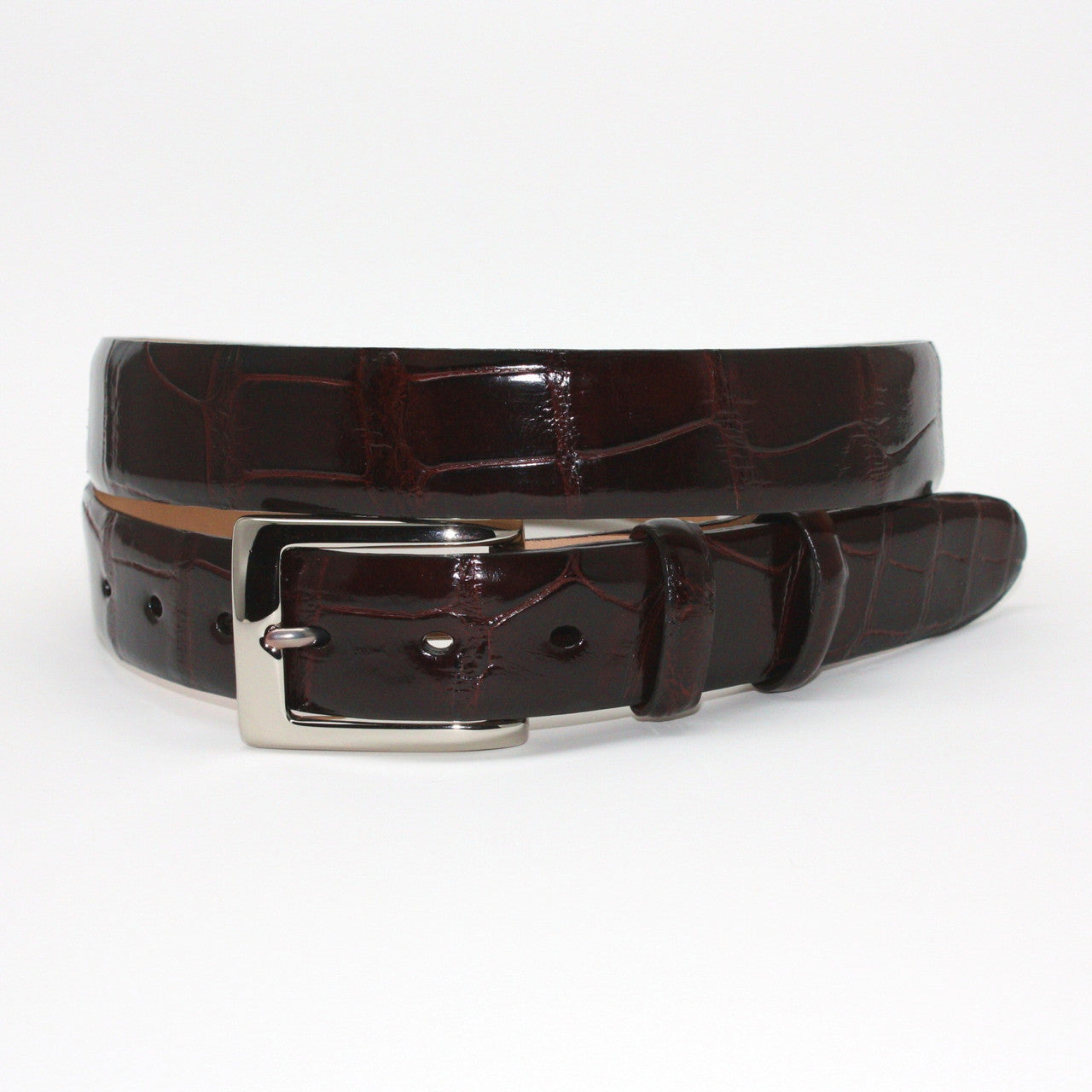
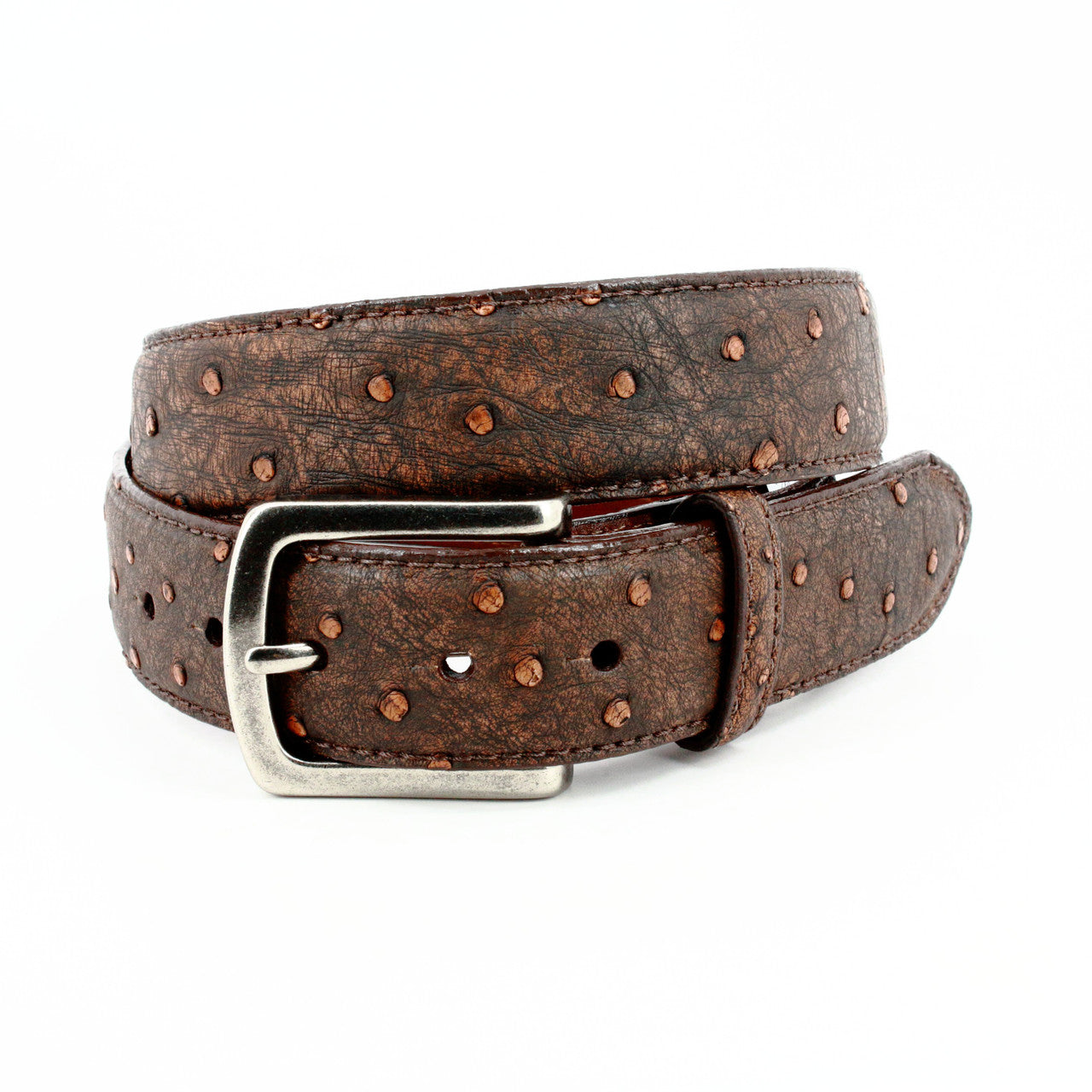
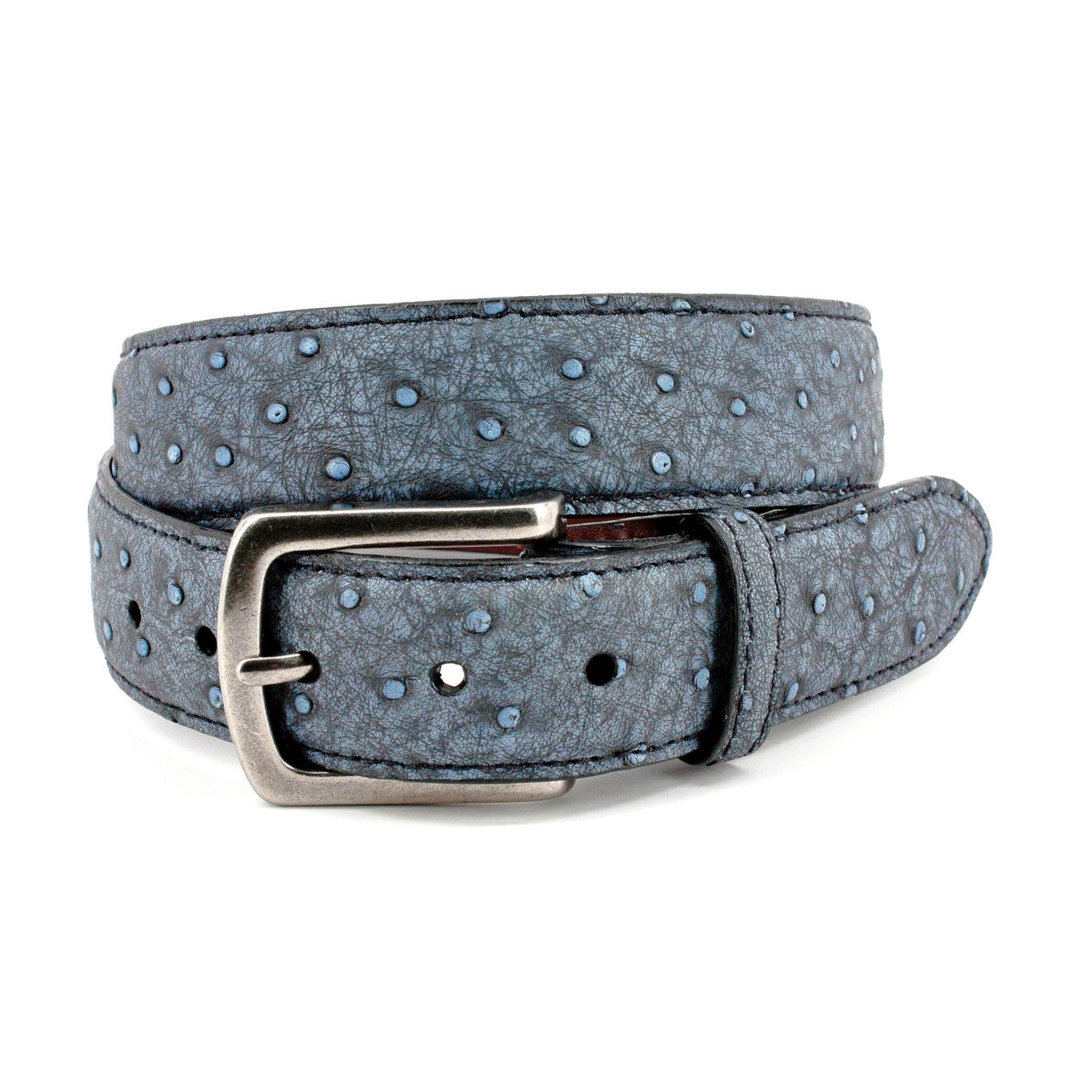
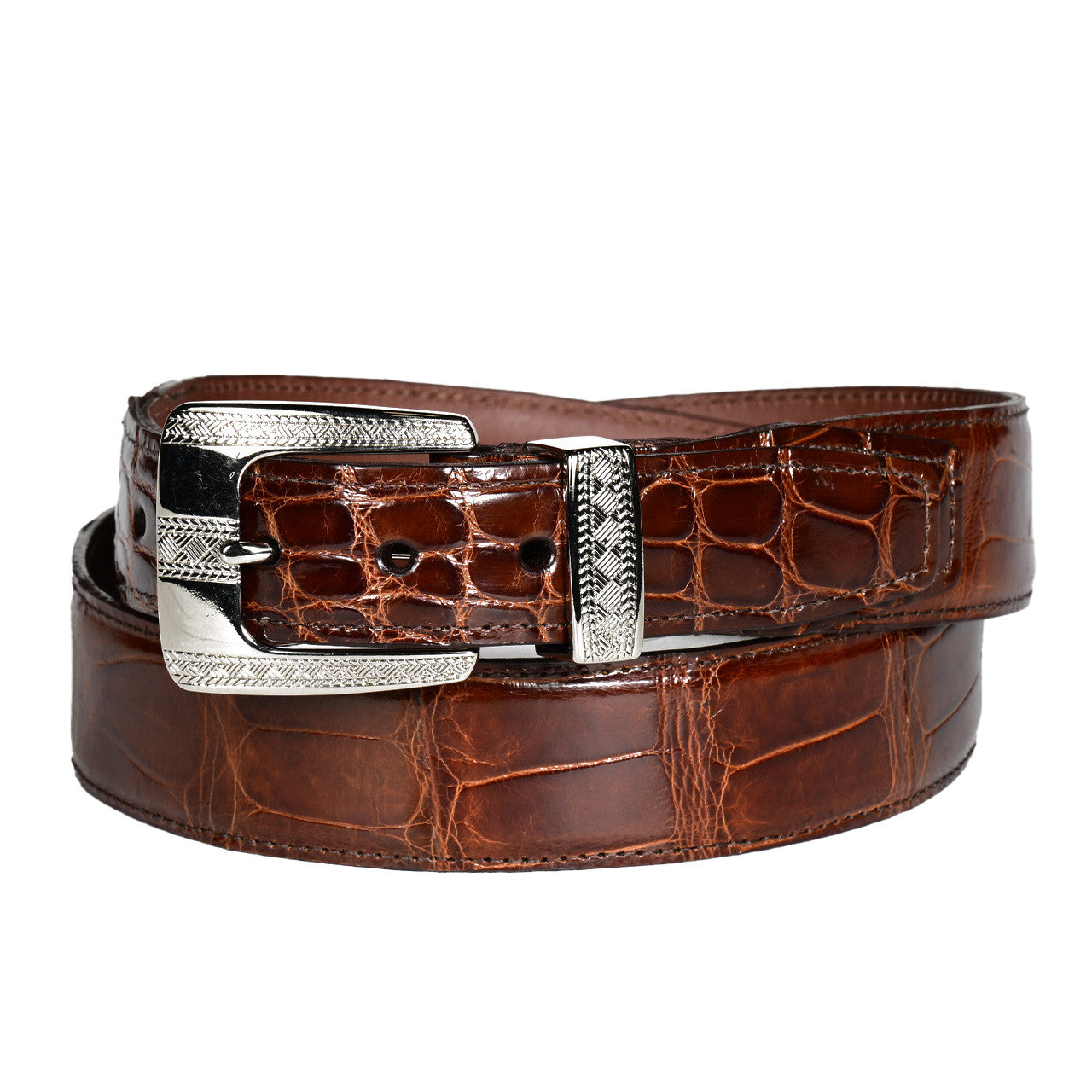
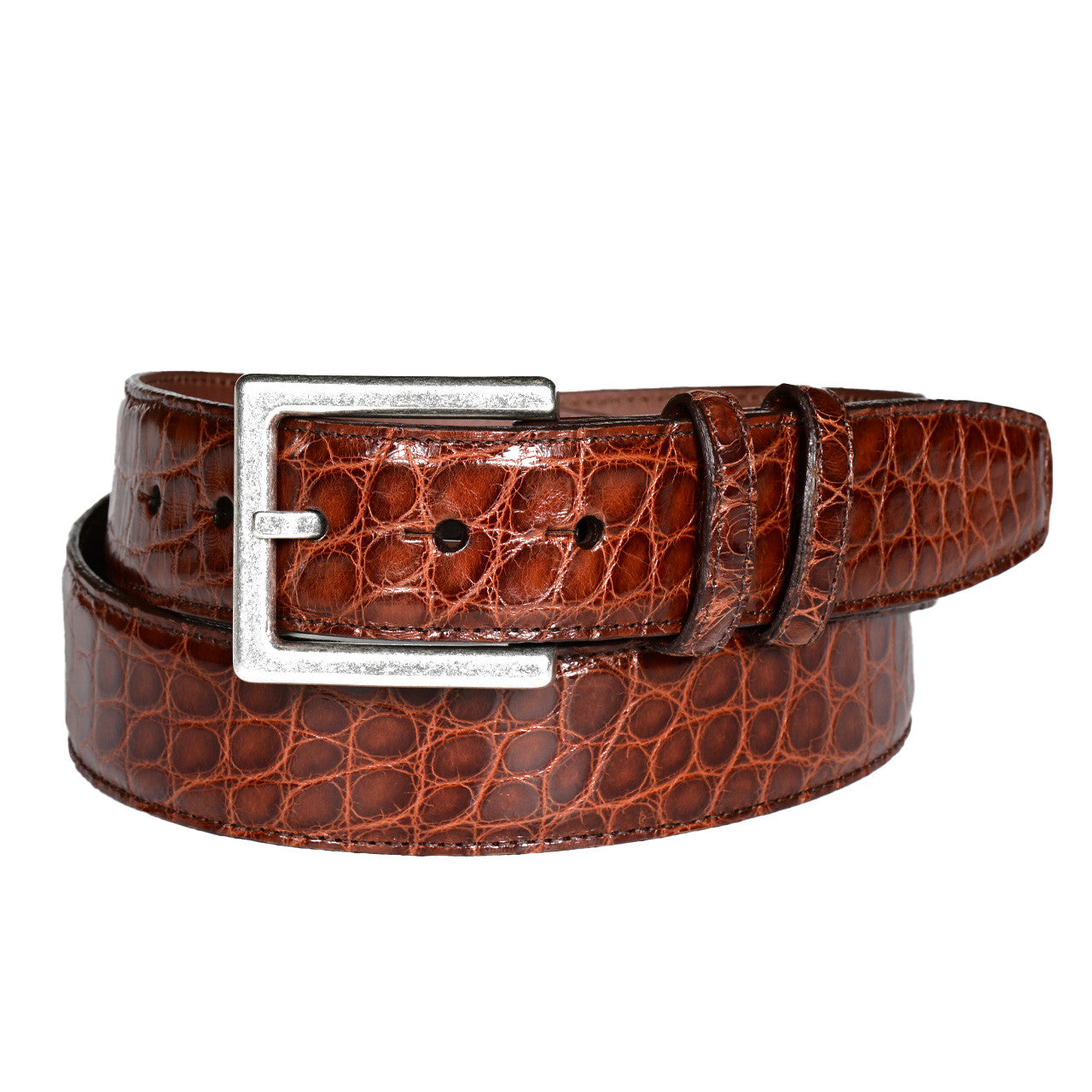
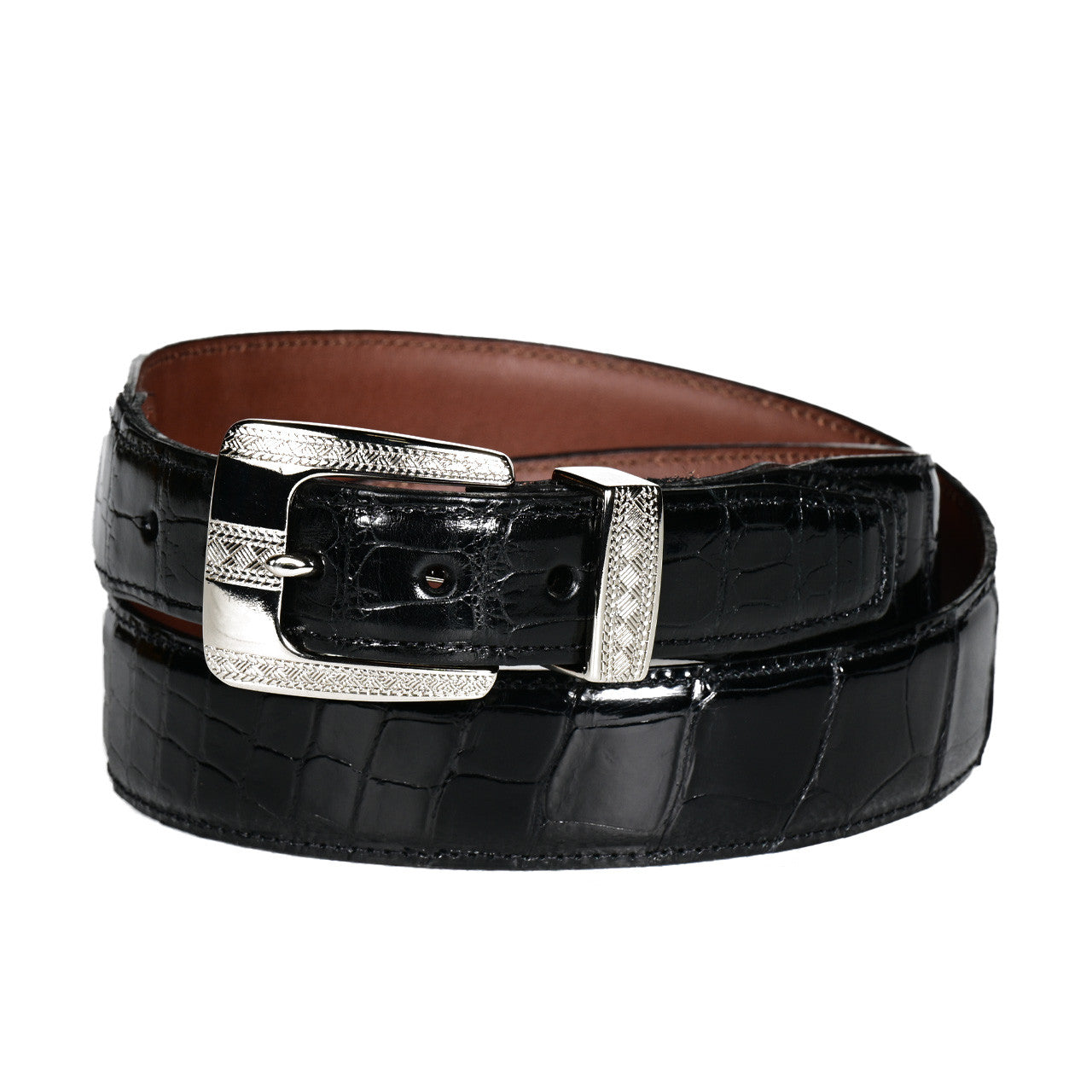
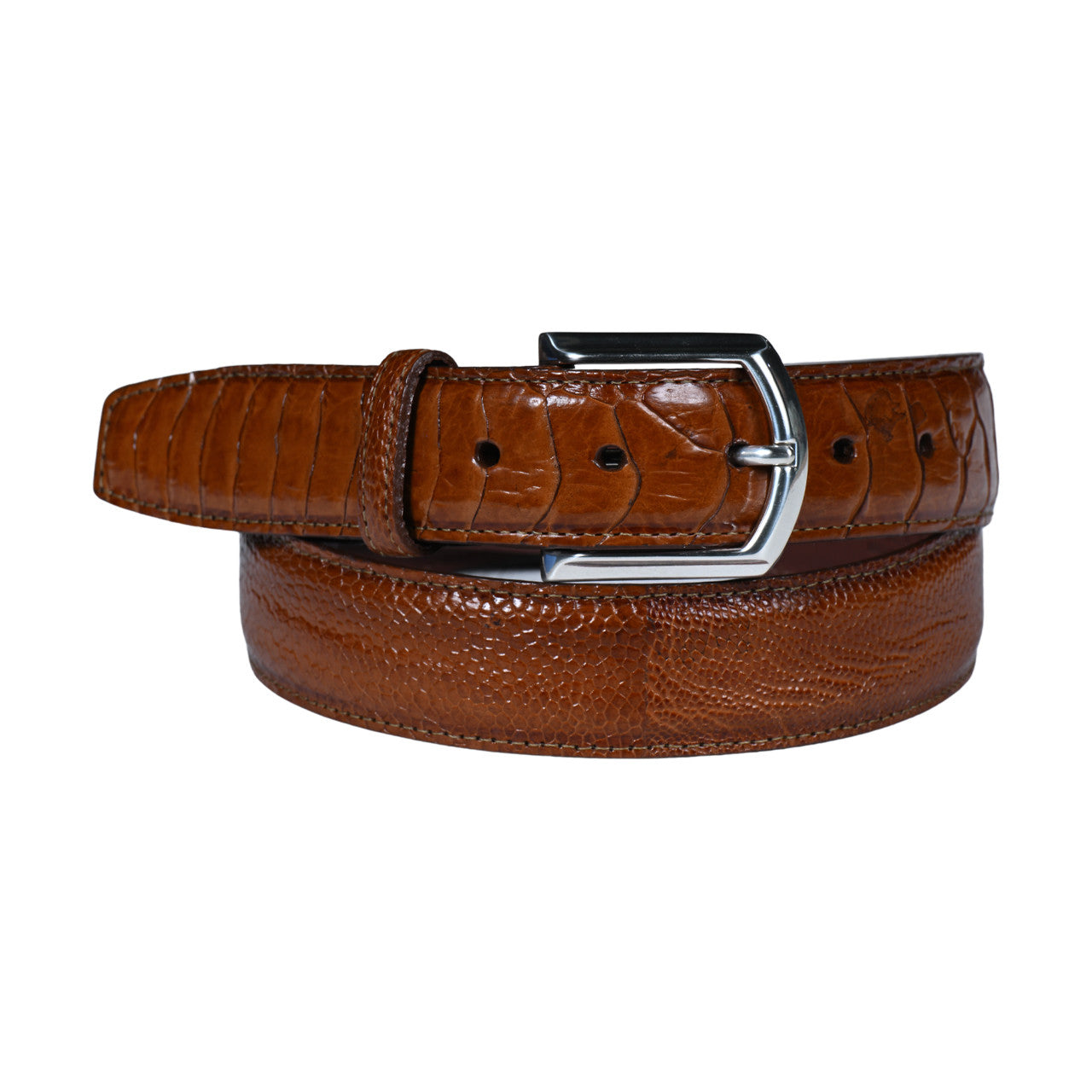
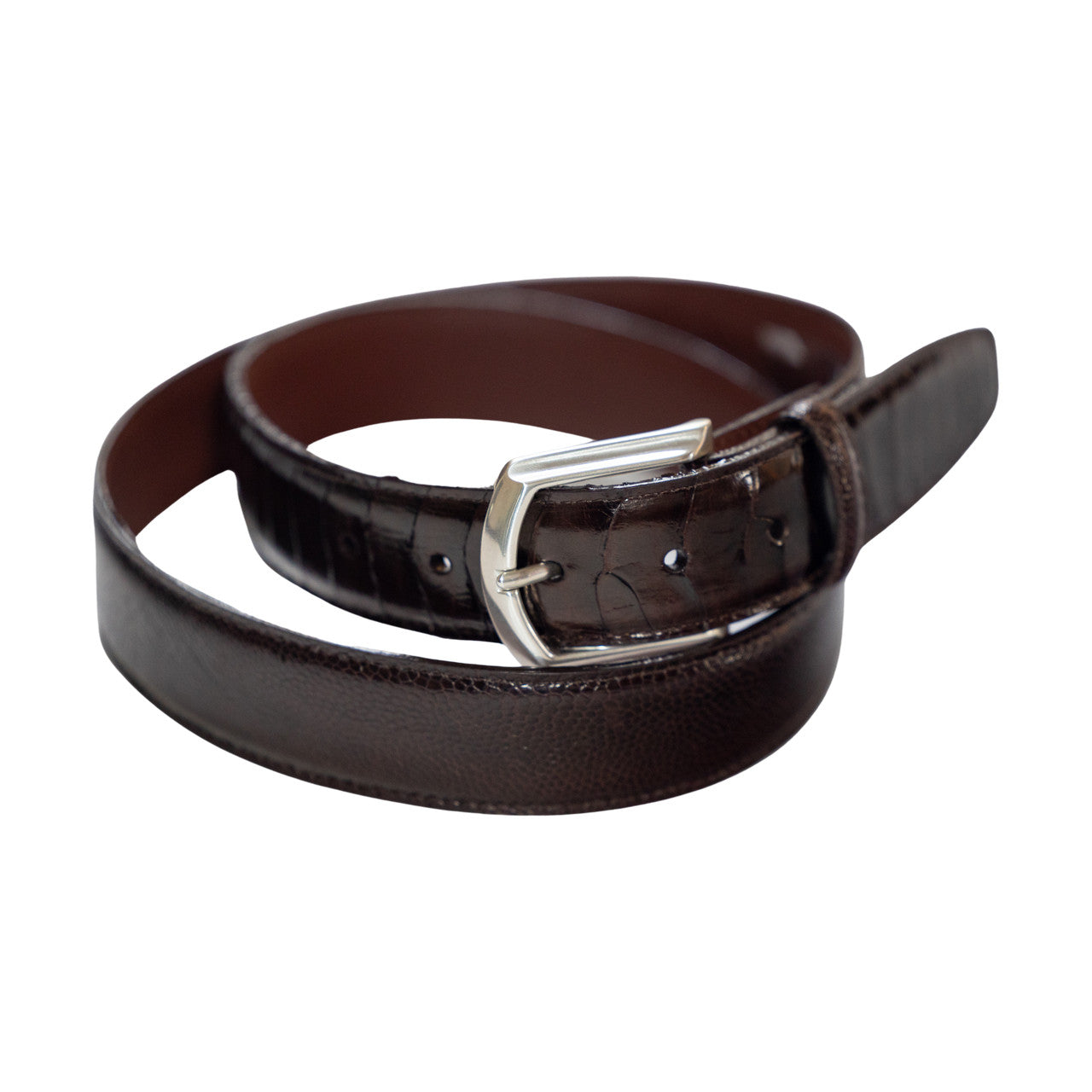
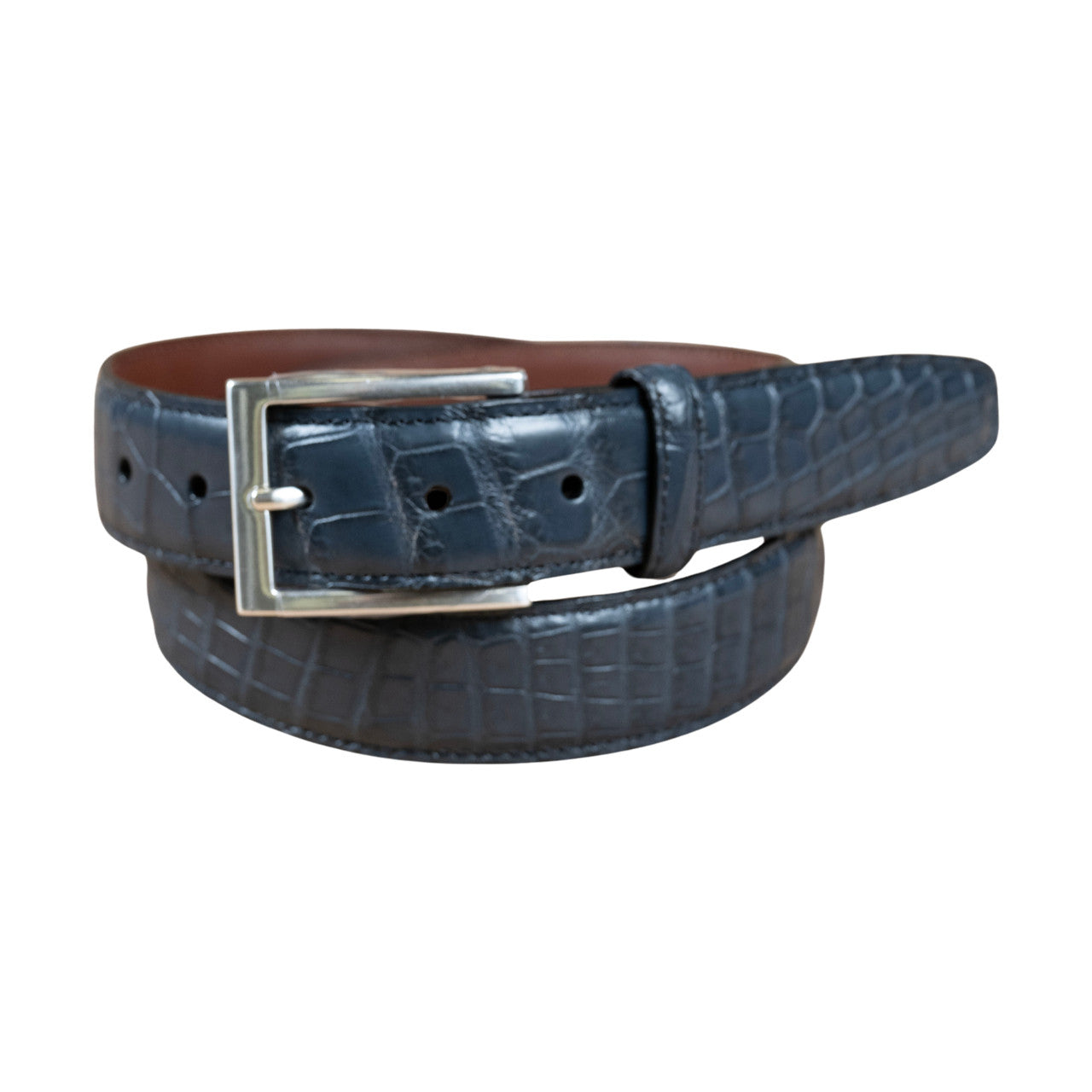
A calfskin belt is cut from a big, uniform hide and one looks like the next. An exotic skin is not uniform anywhere. Alligator tiles change size across the belly. Ostrich quills are dense in the middle of the crown and thin at the edges. So every strap is cut from a specific part of a specific animal, and the cutter is choosing where to place the center of the pattern.
That's why an exotic belt costs what it does. Most of the hide can't be used for a belt at all. What you're paying for is the yield, the matching, and somebody deciding by eye where to cut.
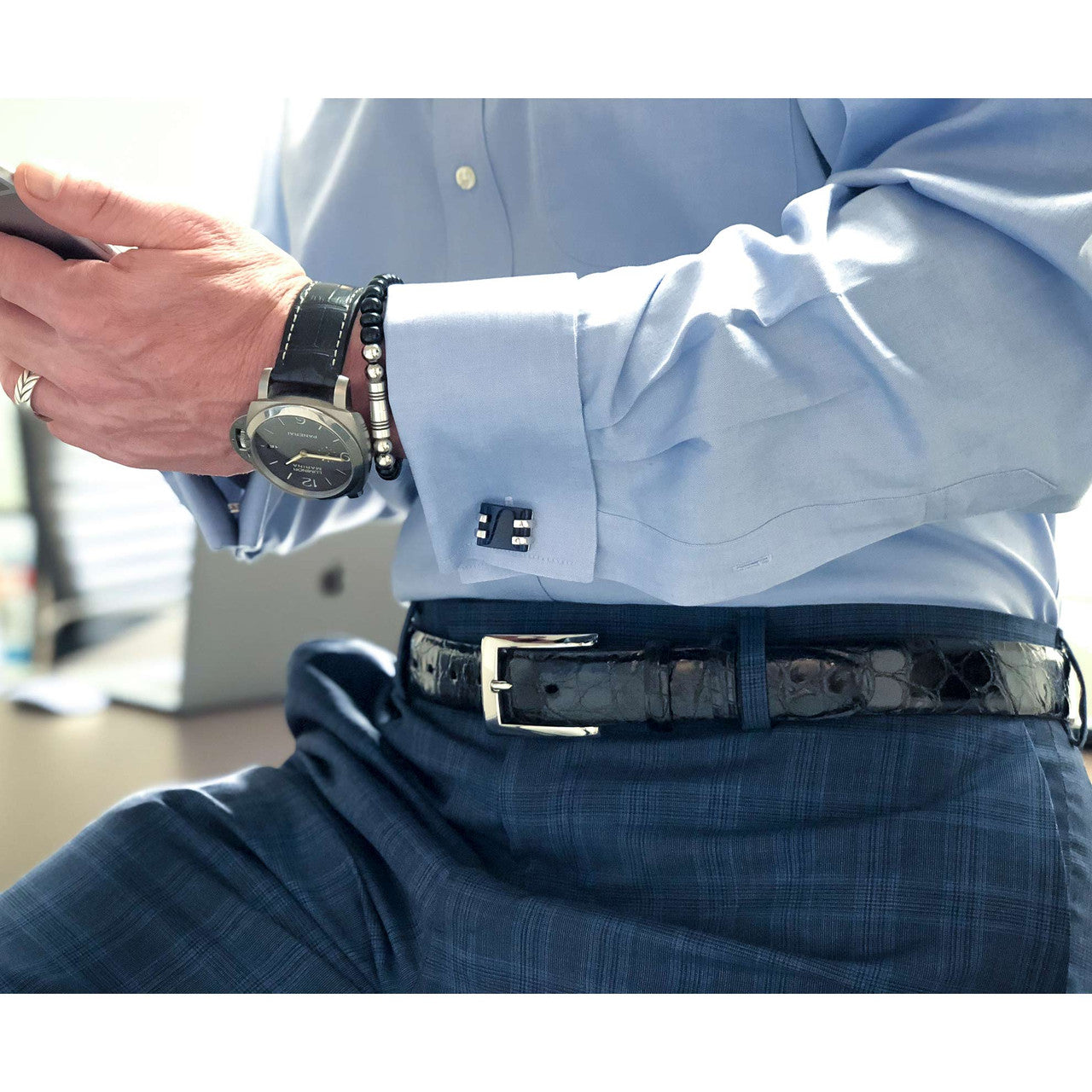
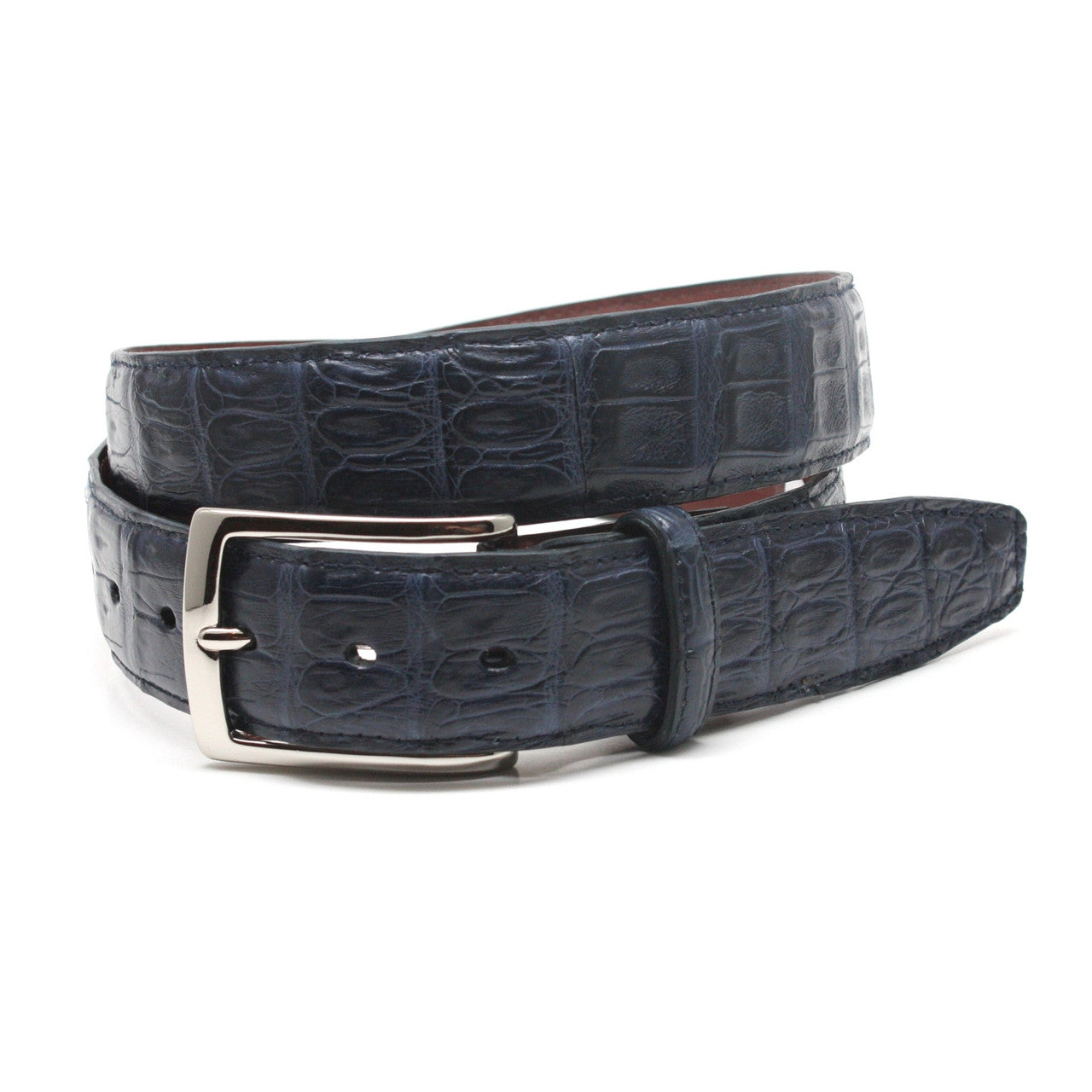
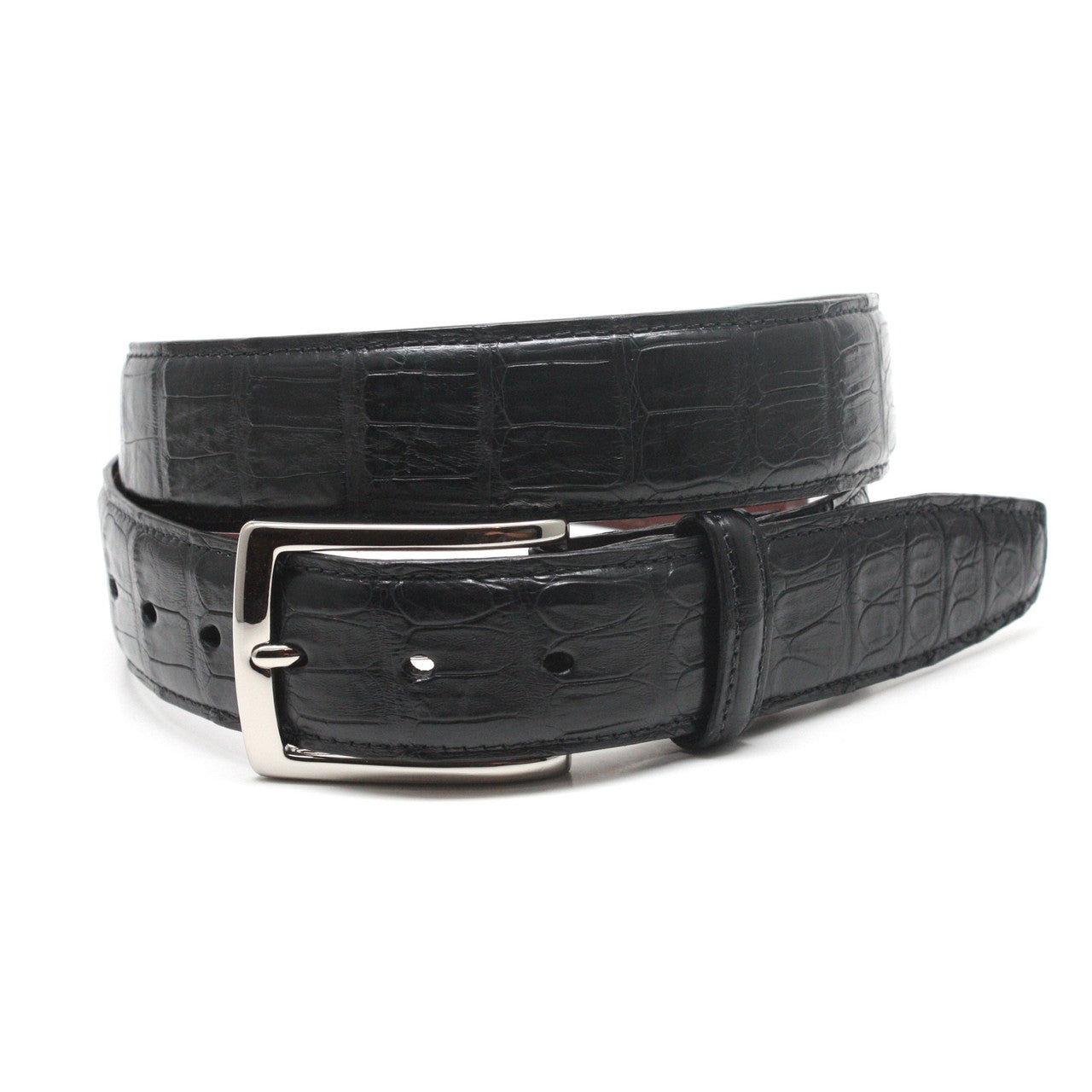
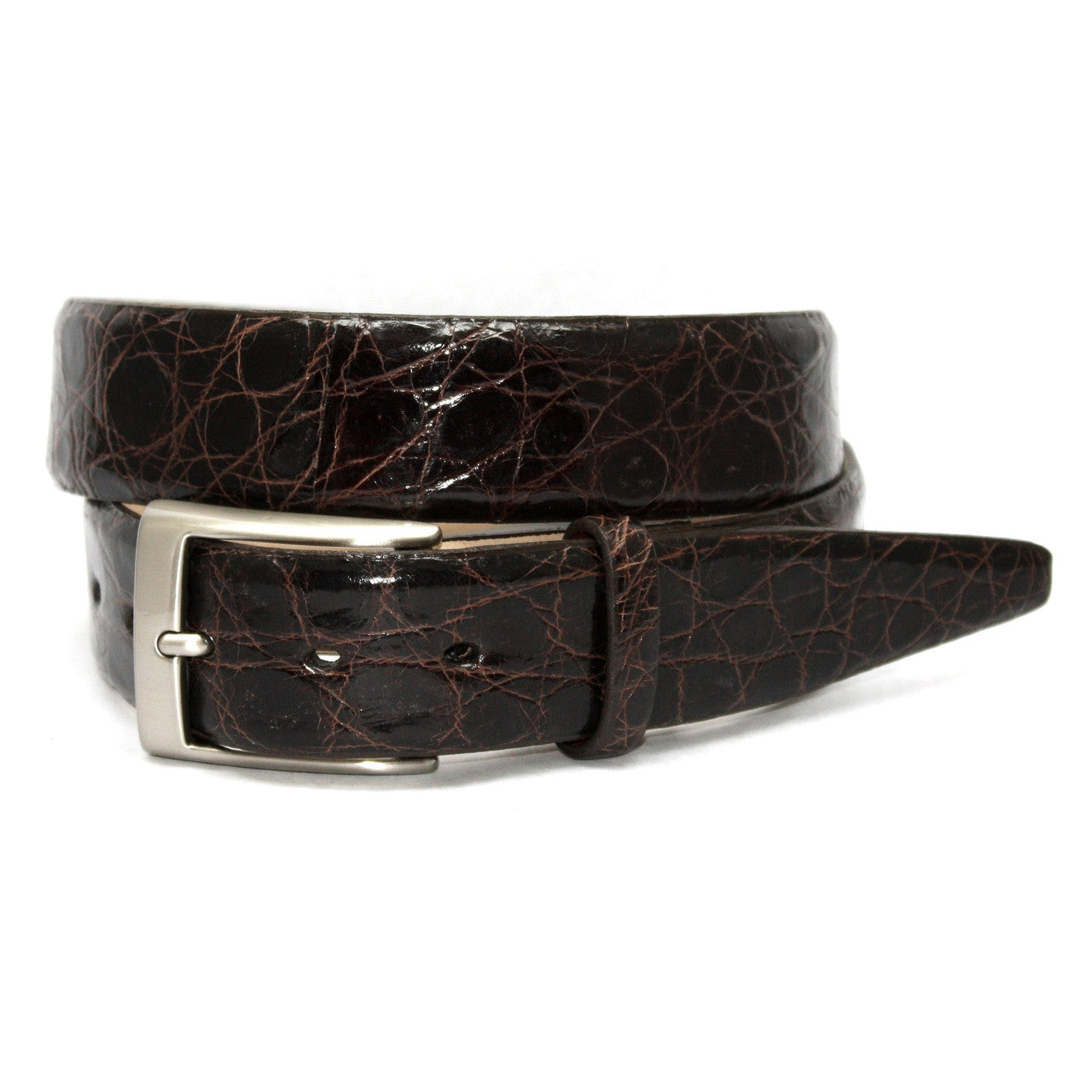
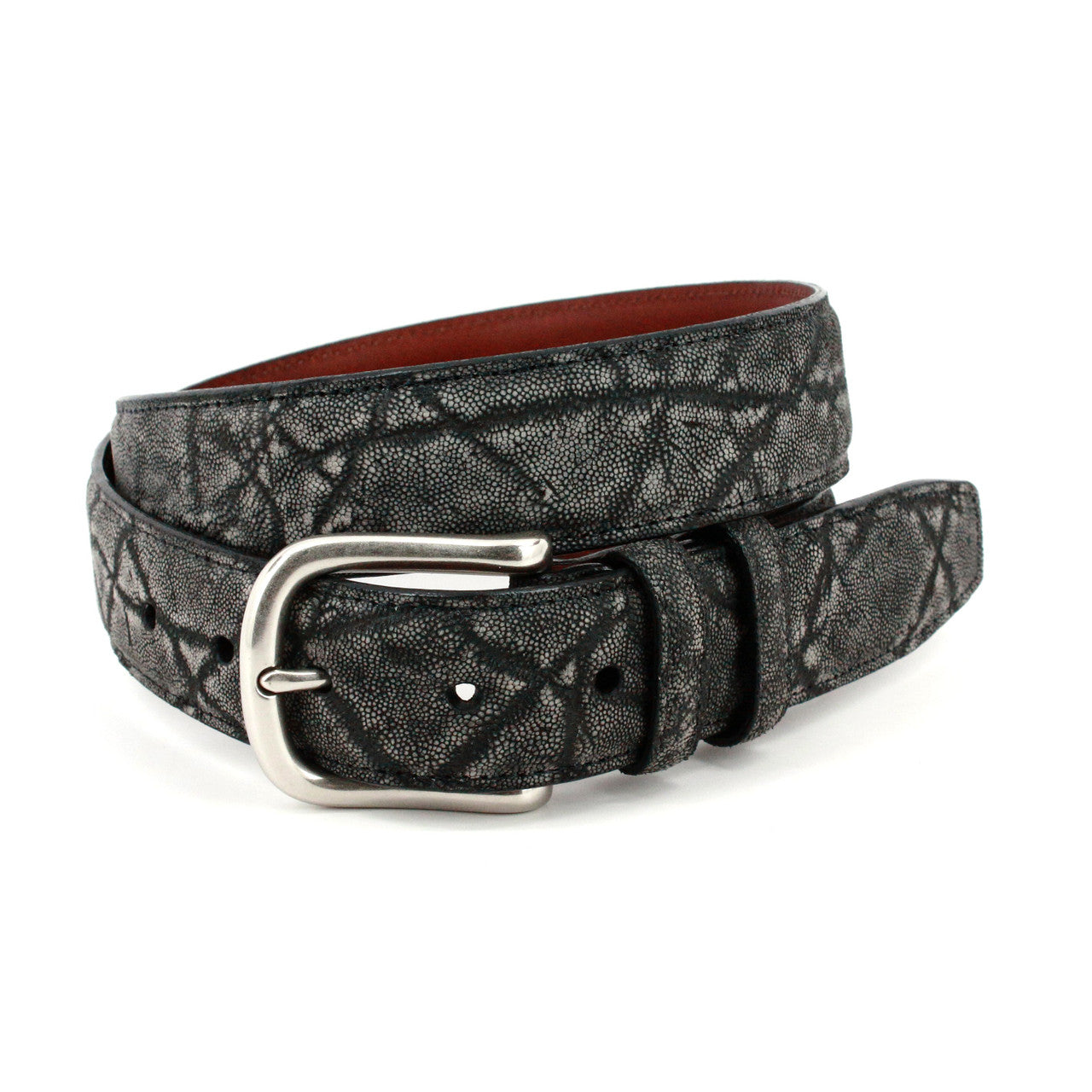
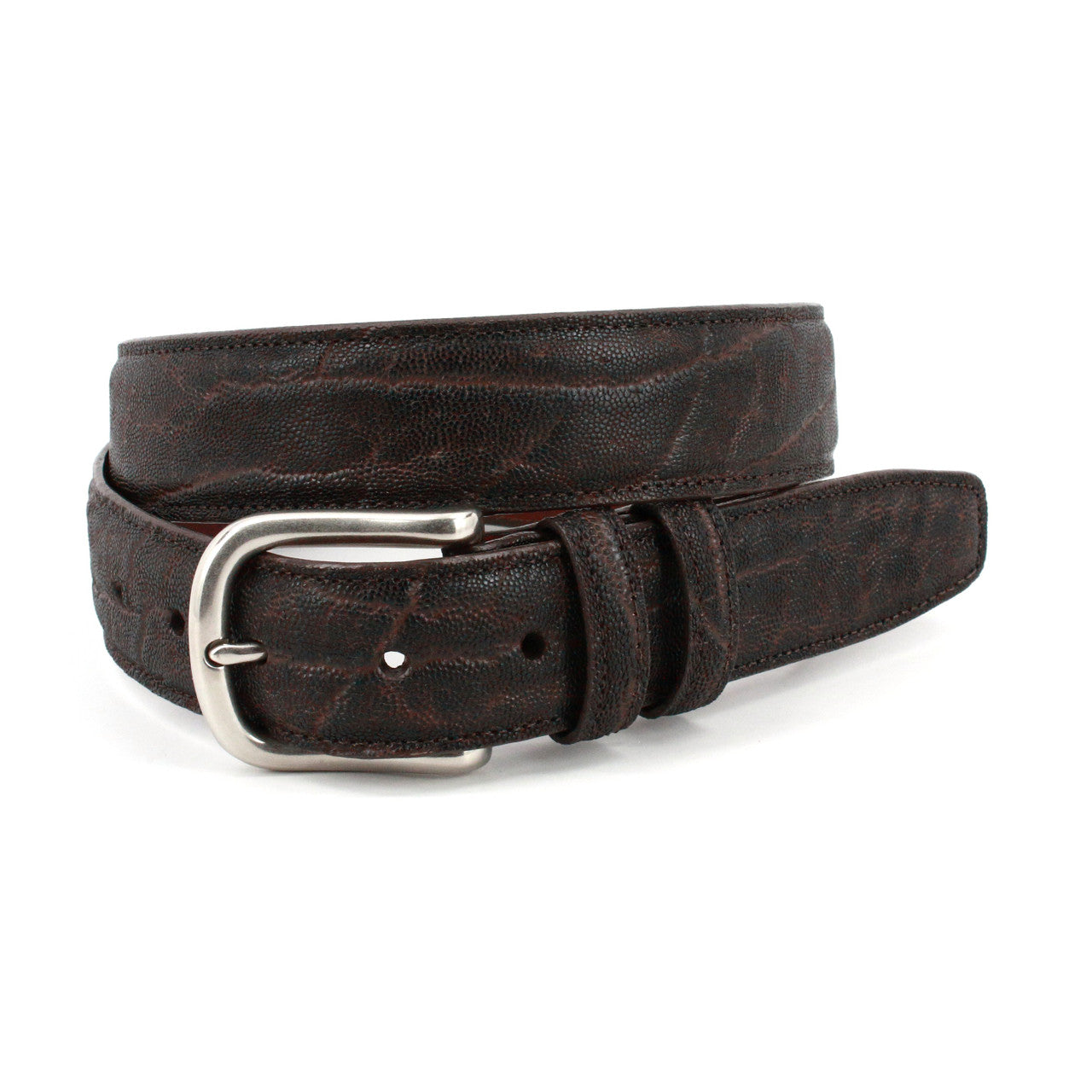
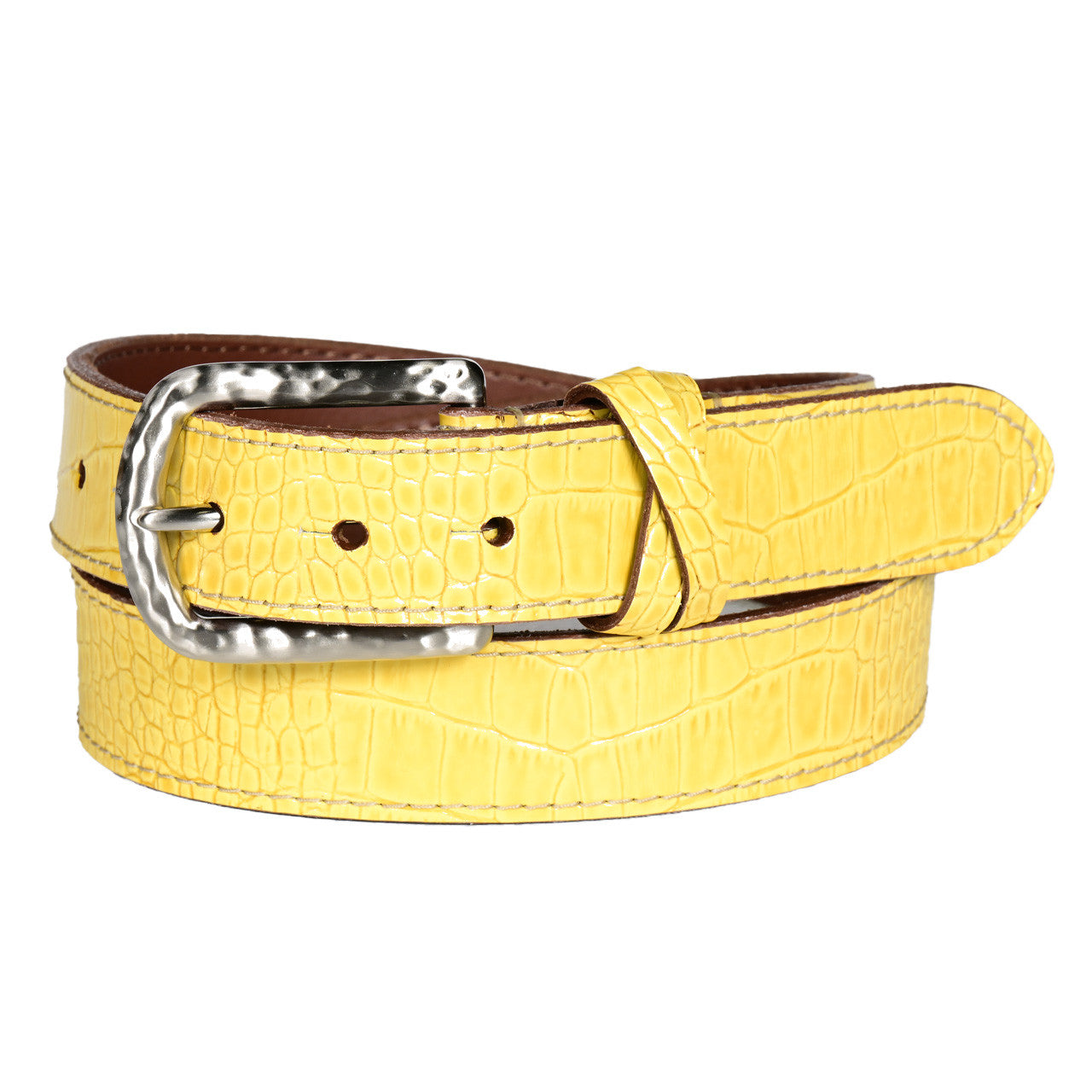
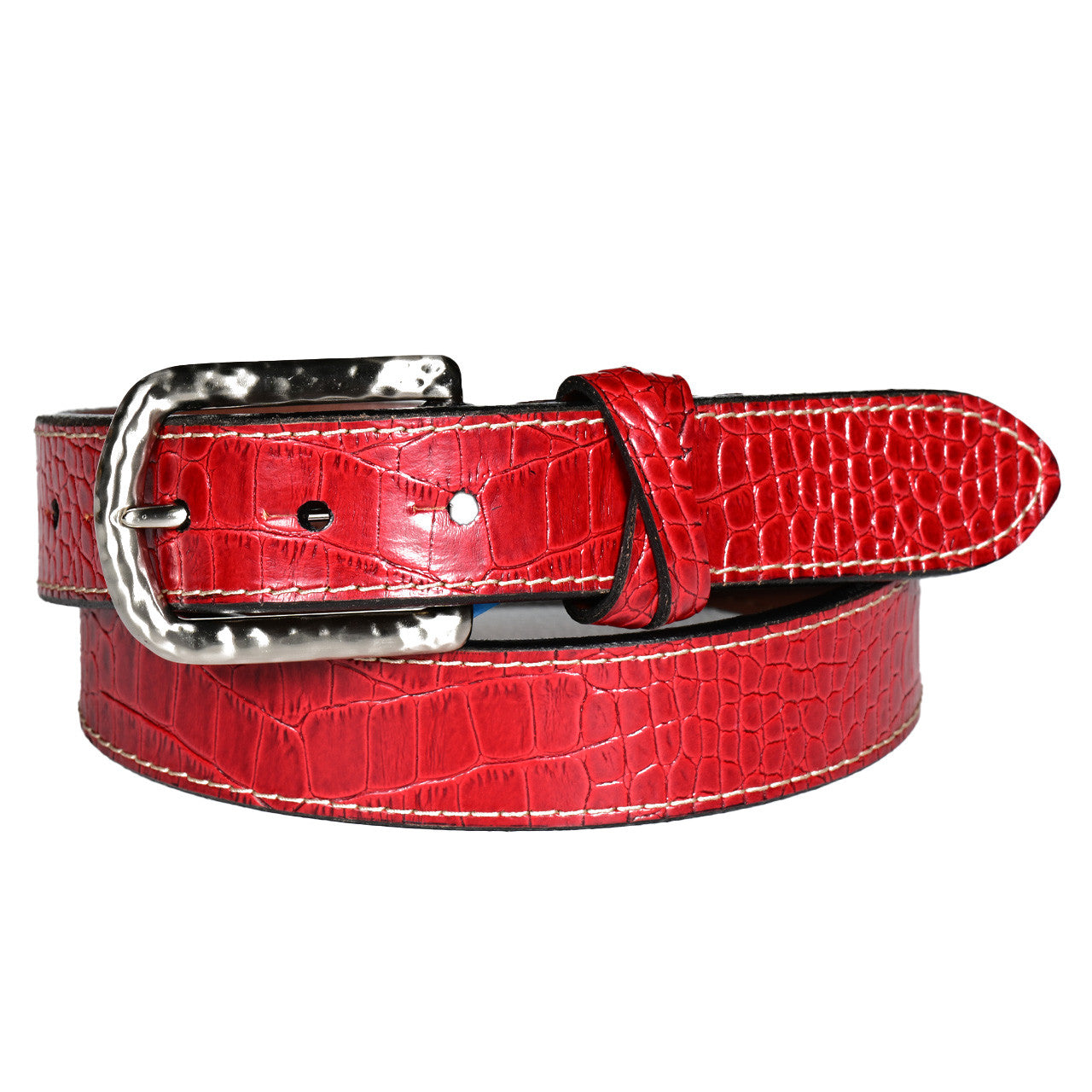
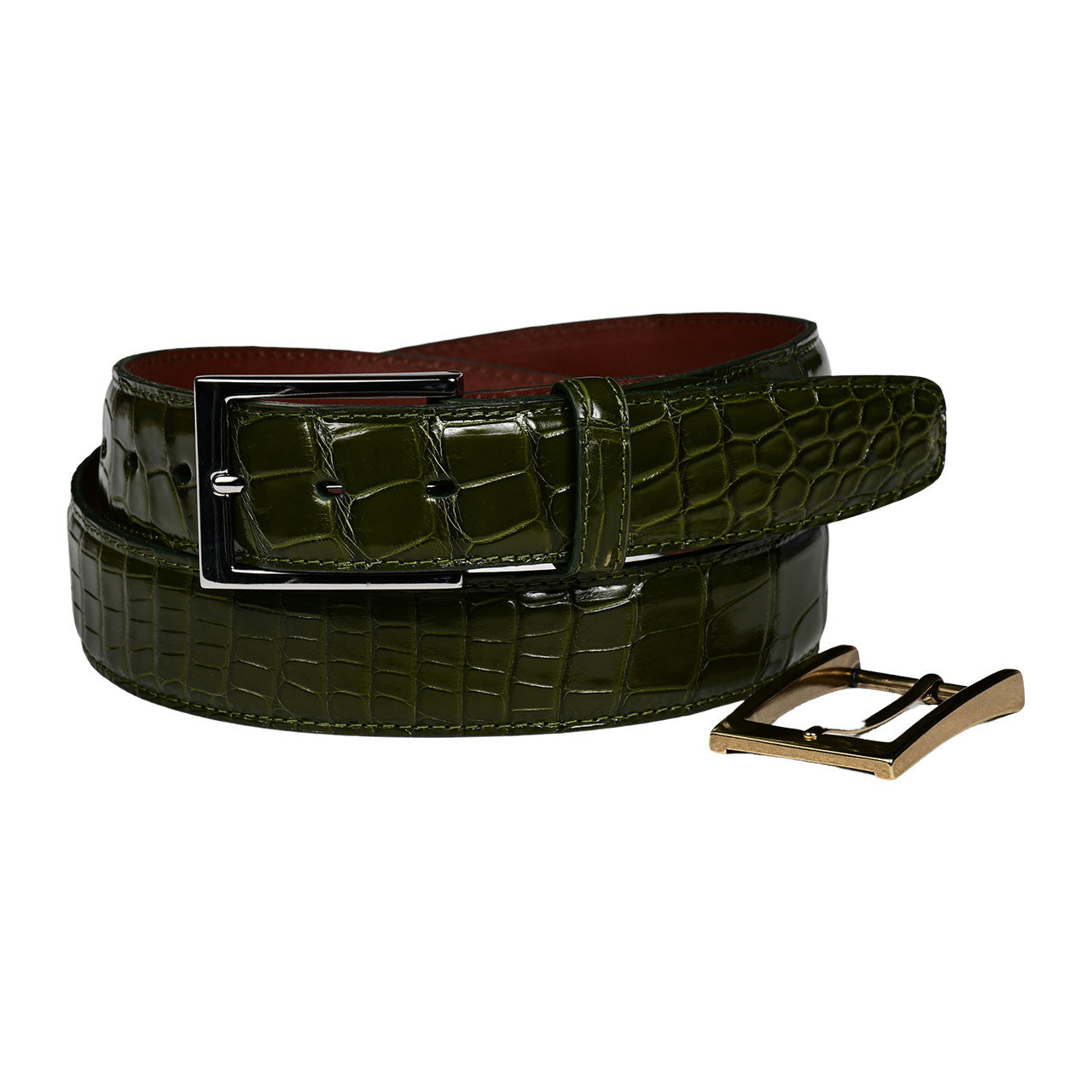
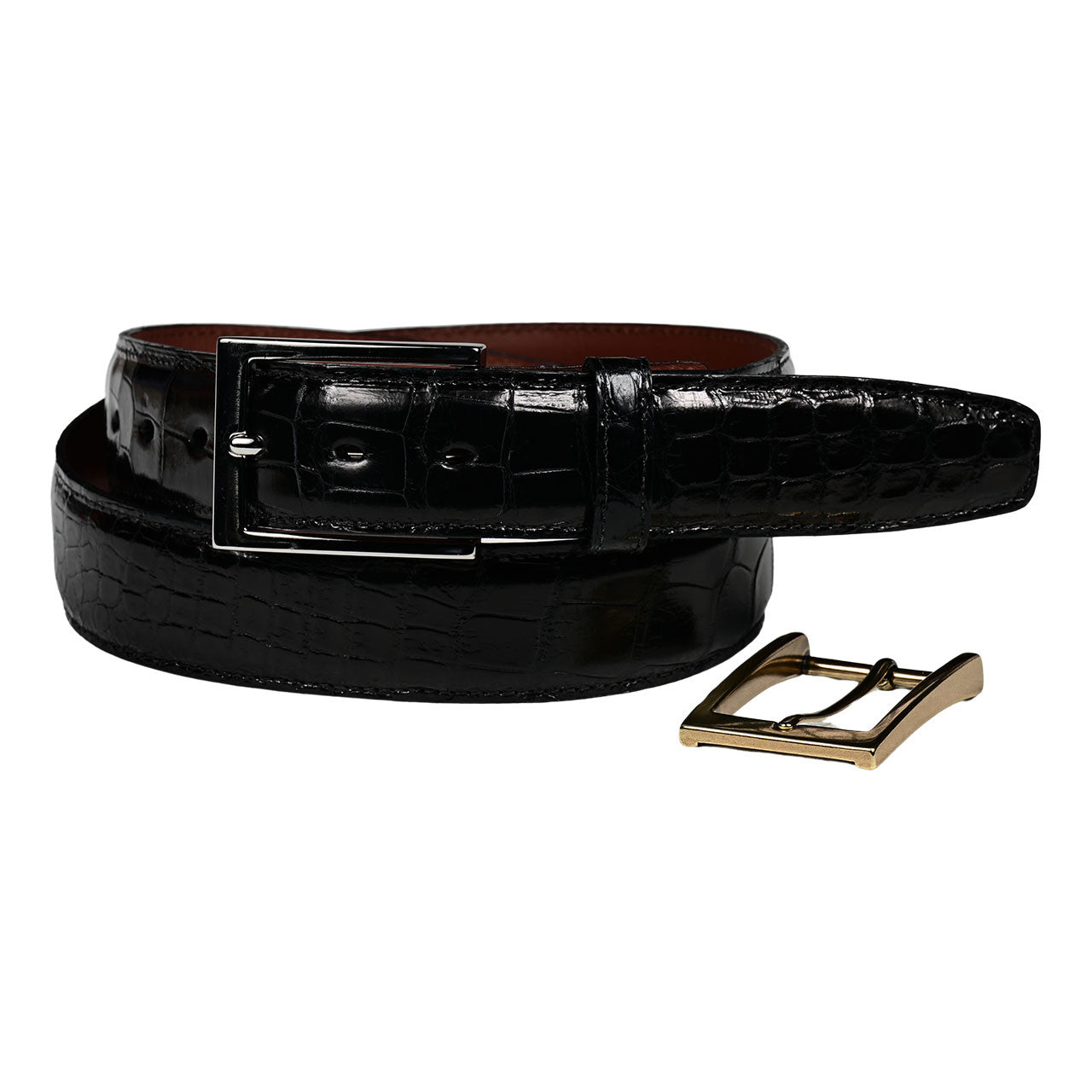
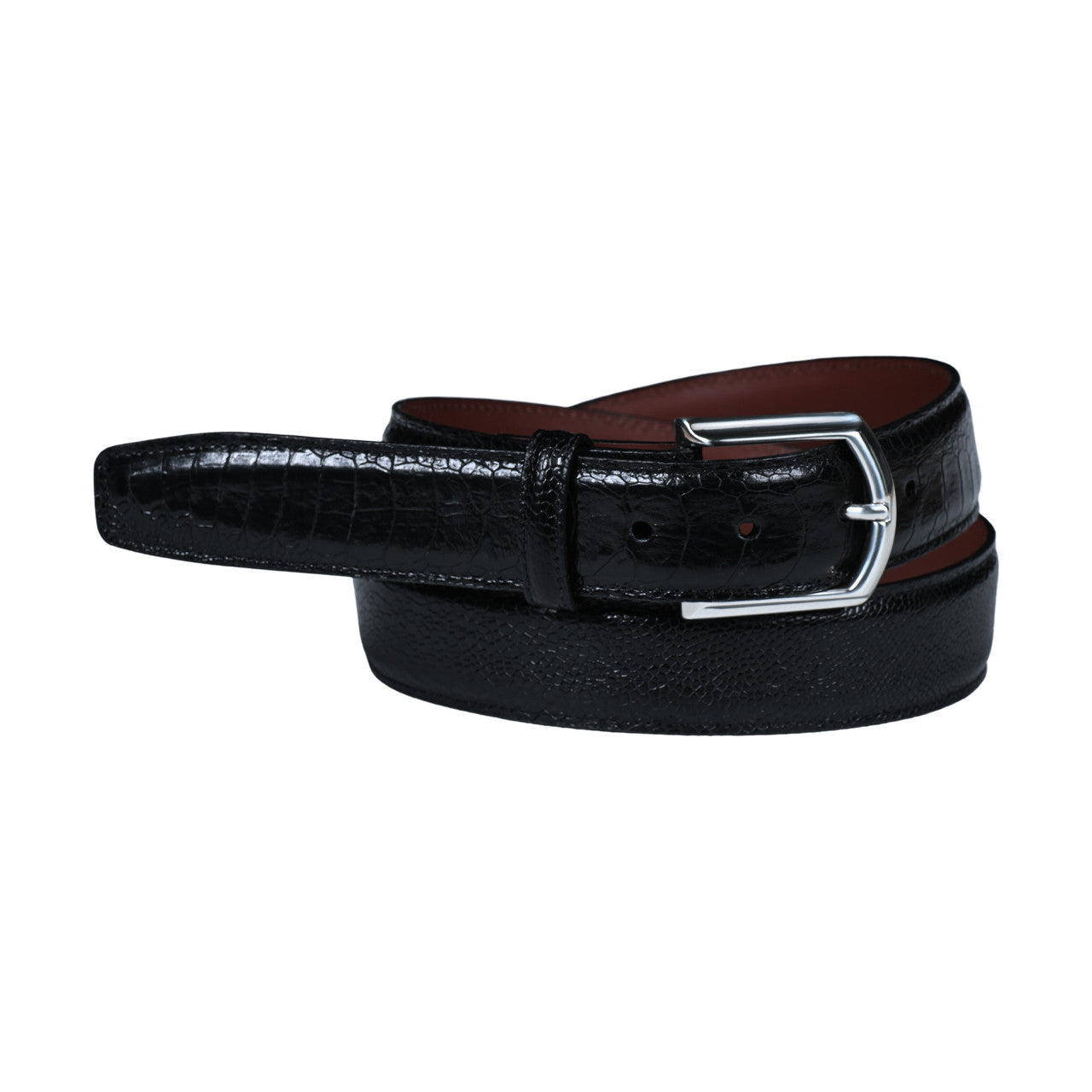
The practical consequence: the belt you receive will not be identical to the photograph. Tile size, quill spacing, and color depth vary. That isn't a flaw and we won't treat it as one.
Where these come from
Exotic skins are among the most regulated materials in the leather trade, and that's a good thing for the animals and for you.
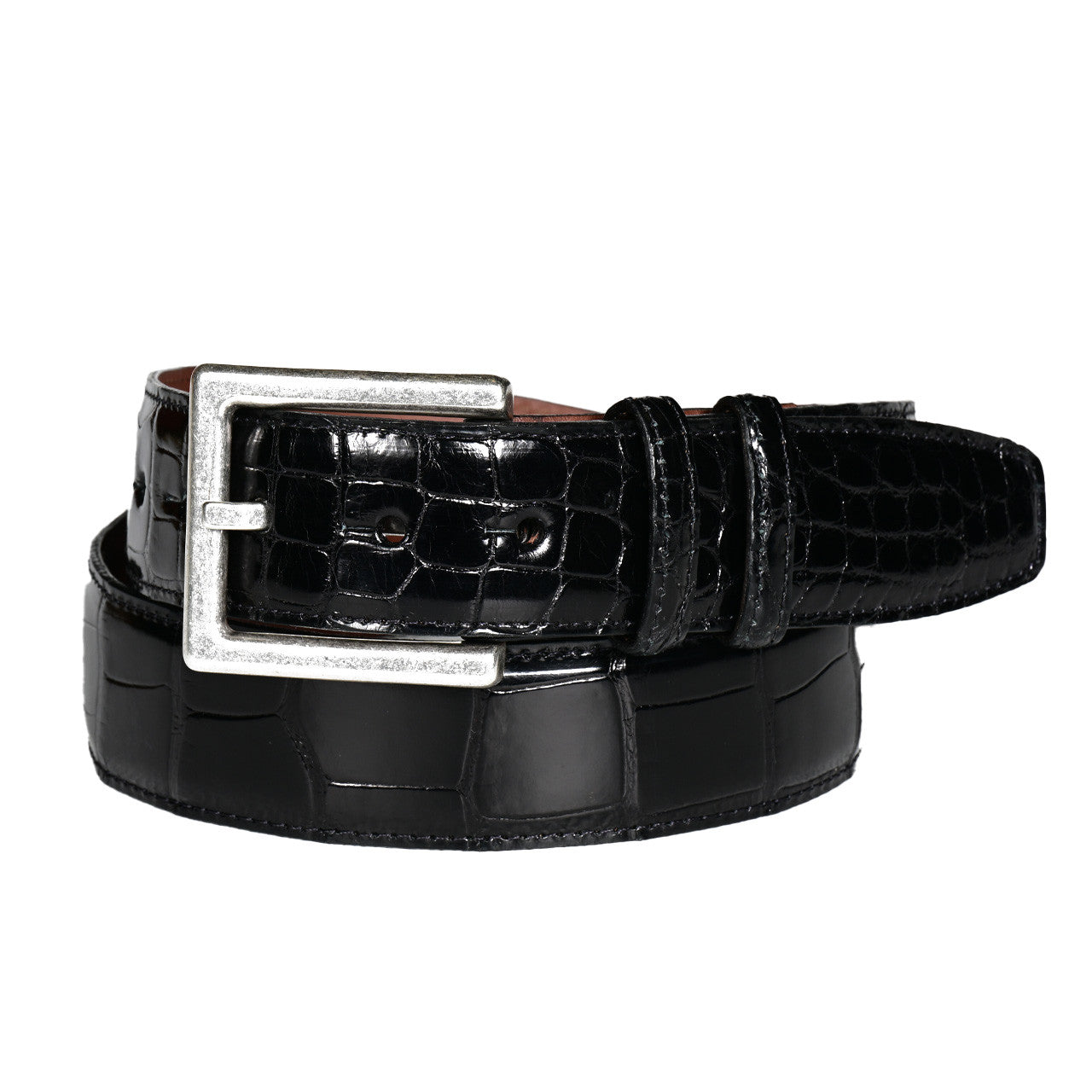
American alligator comes from farms and managed wild harvest in Louisiana and Florida. The trade is credited with bringing the species back from near extinction, because a farmed alligator has value and a swamp full of them is worth protecting. Skins are tagged and tracked.
Caiman is farmed in South America and is the most widely available crocodilian skin, which is exactly why it costs a third of what alligator does.
Ostrich comes from South African farms where the birds are raised primarily for meat, so the skin is a byproduct rather than the reason.
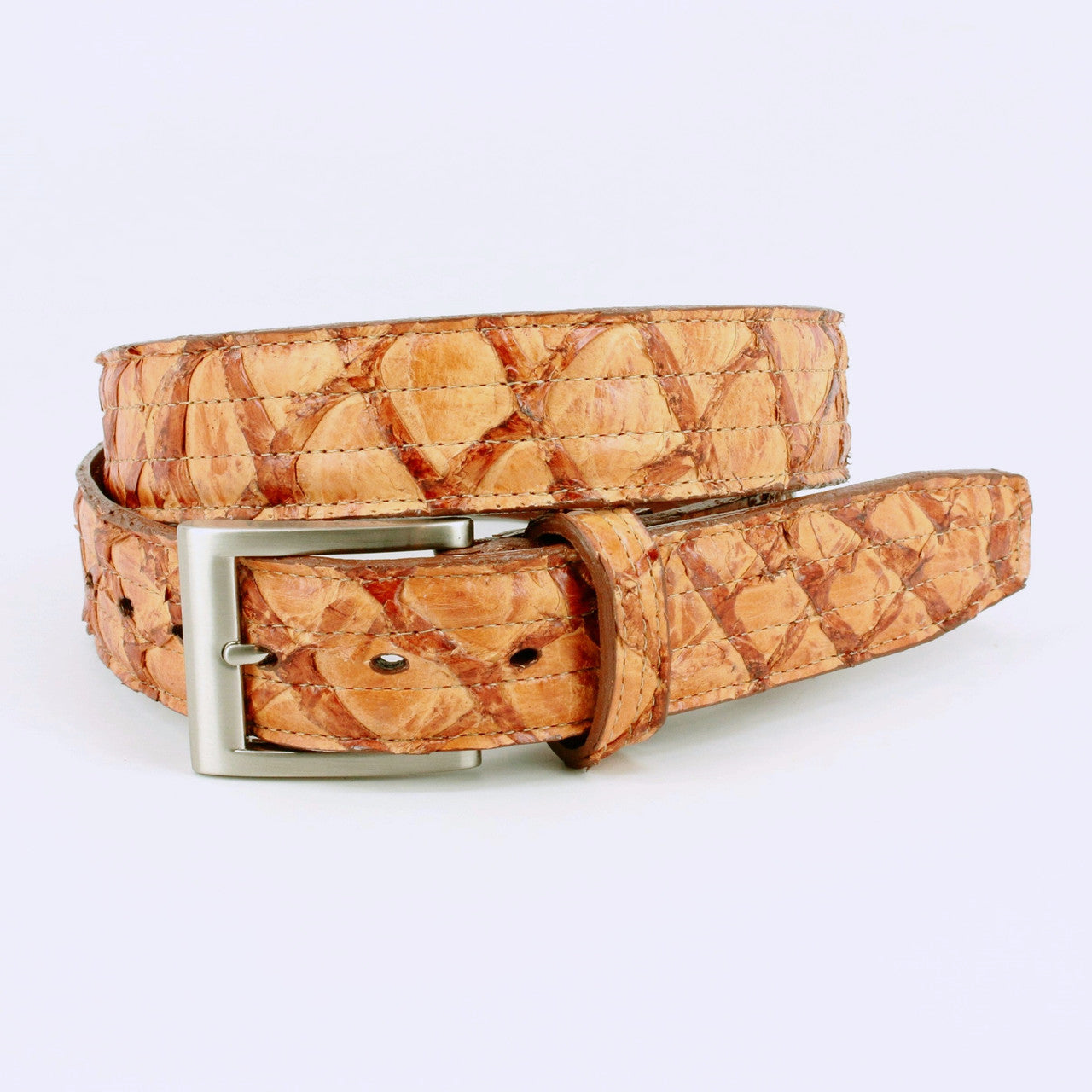
Pirarucu is an Amazonian river fish, also called arapaima, and one of the largest freshwater fish in the world. It's fished under managed community quotas in Brazil, eaten locally, and the skin gets tanned into leather rather than thrown away.
International trade in these species runs under CITES, which is the treaty that governs shipment across borders. Our skins are sourced through that system.
Full skin, or exotic trim
Two different things on this page, and the price gap tells you which is which.
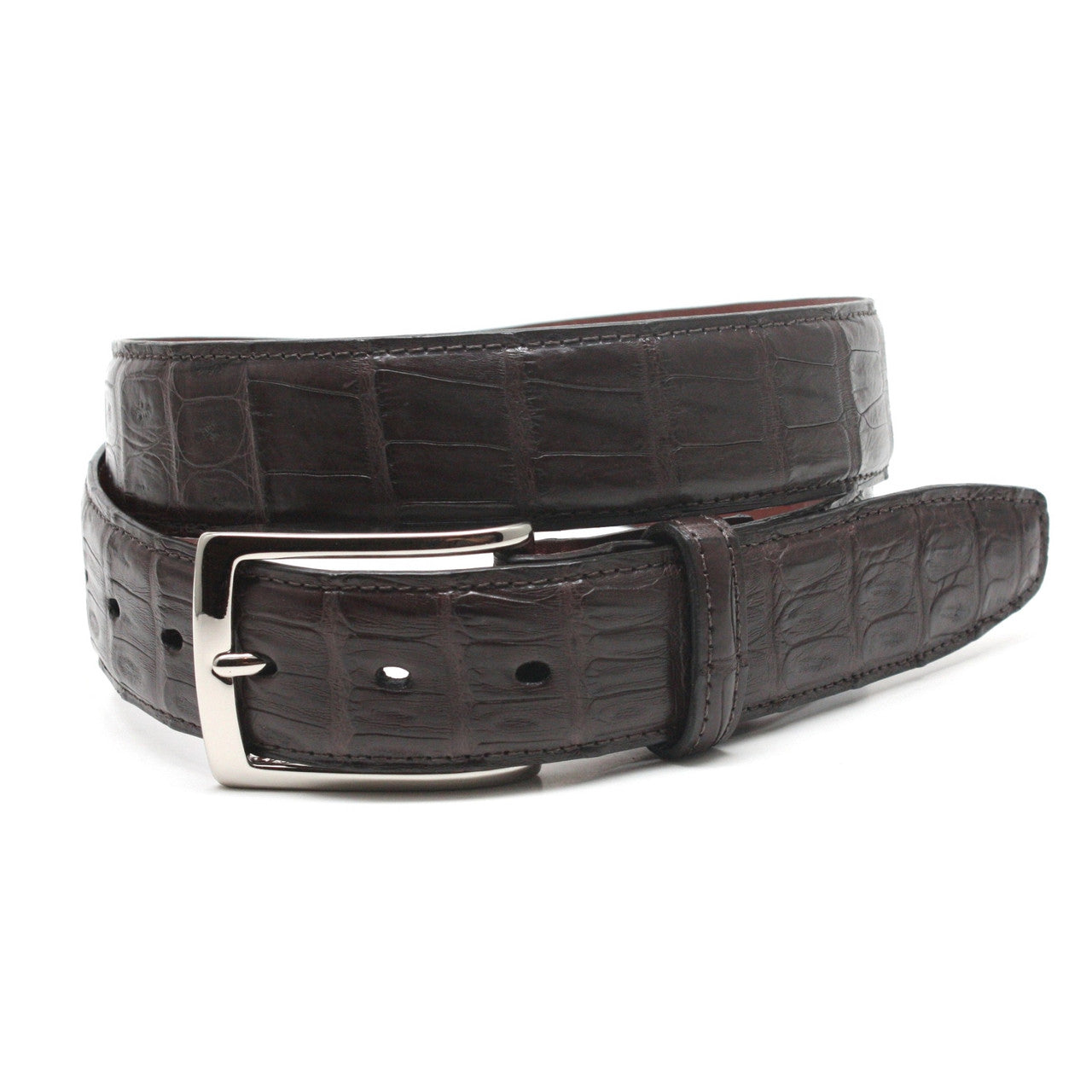
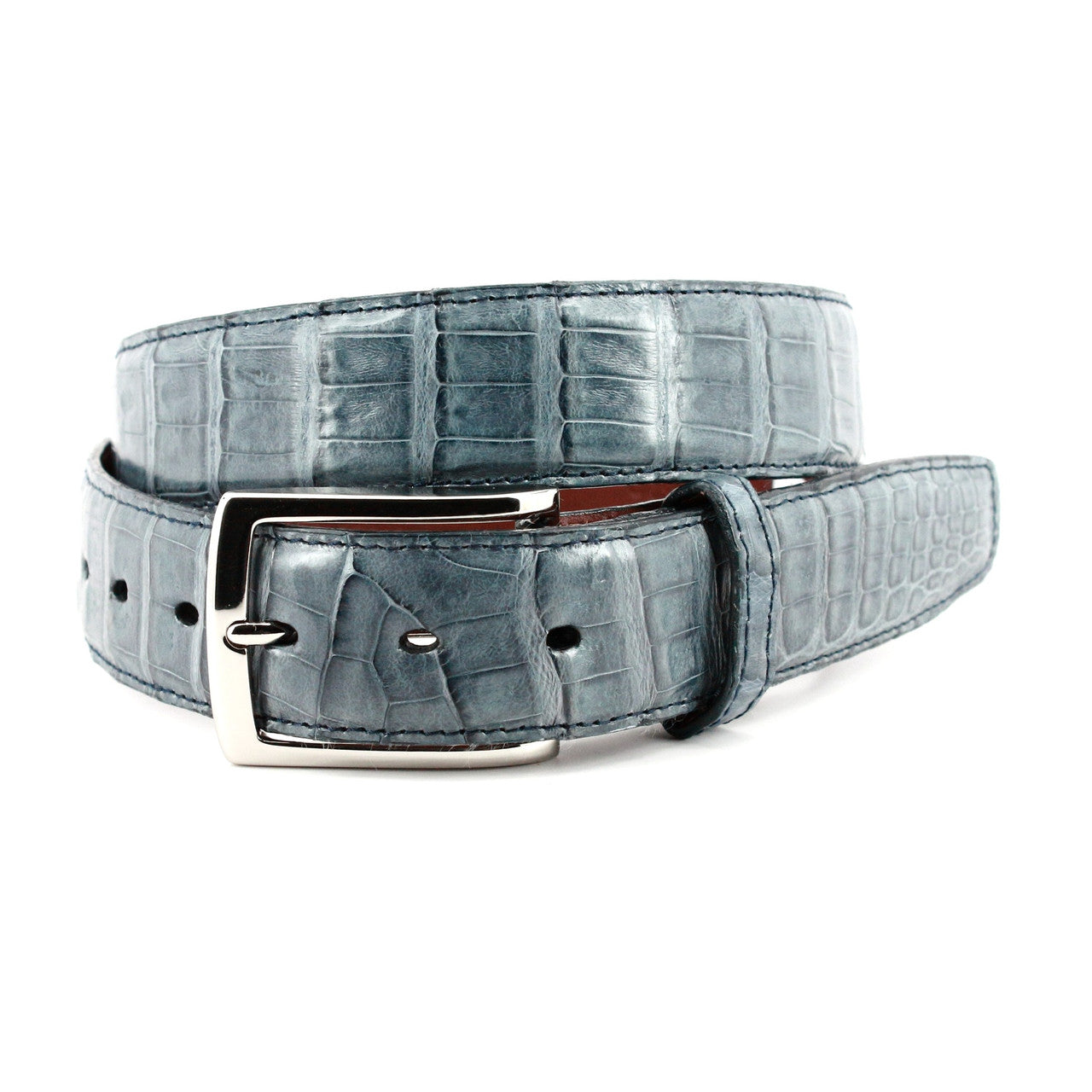
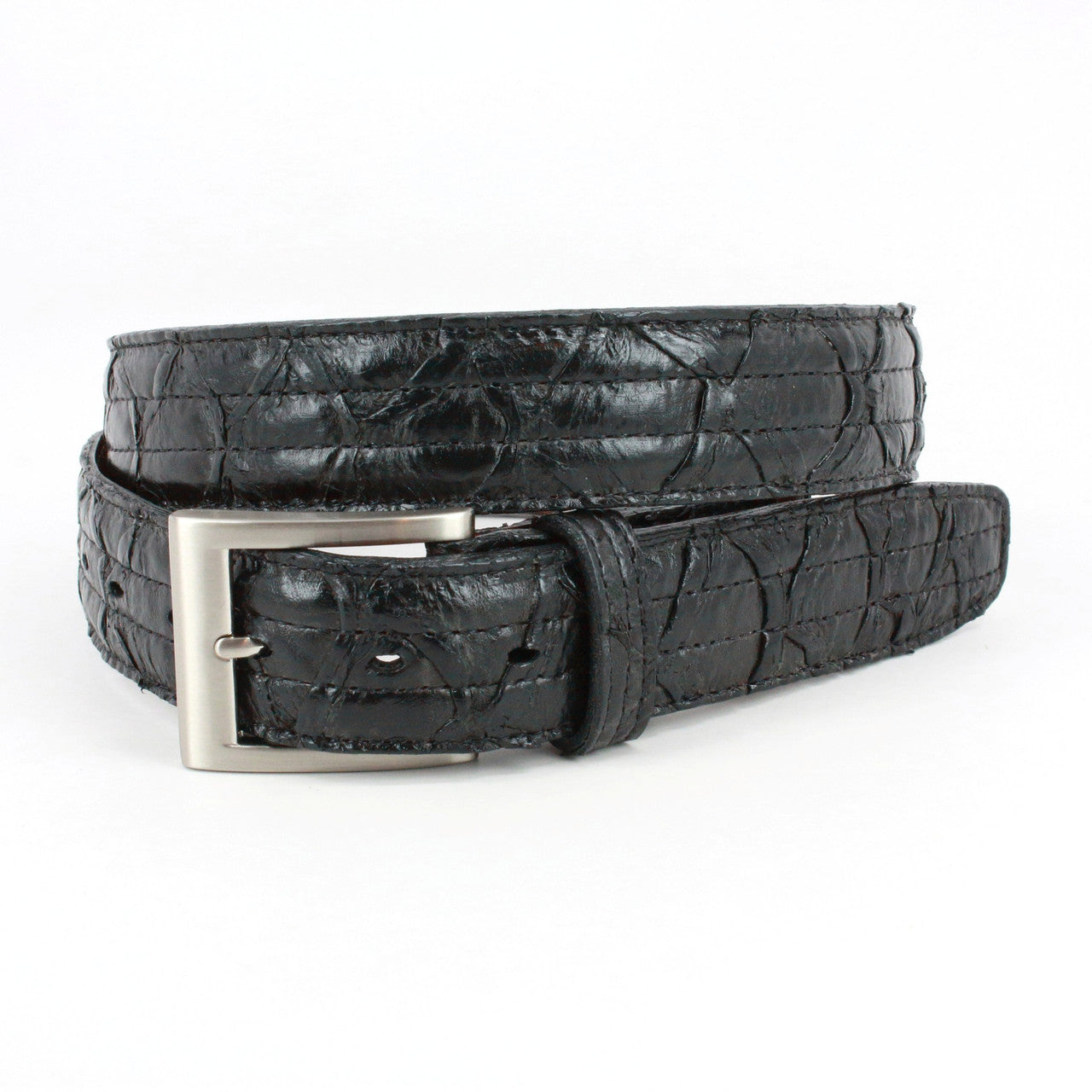
A full skin belt is exotic hide the whole length of the strap. Caiman at $345, ostrich at $345, ostrich leg at $347, elephant at $395, pirarucu at $430, Nile crocodile at $523, and American alligator from $520 to $575.
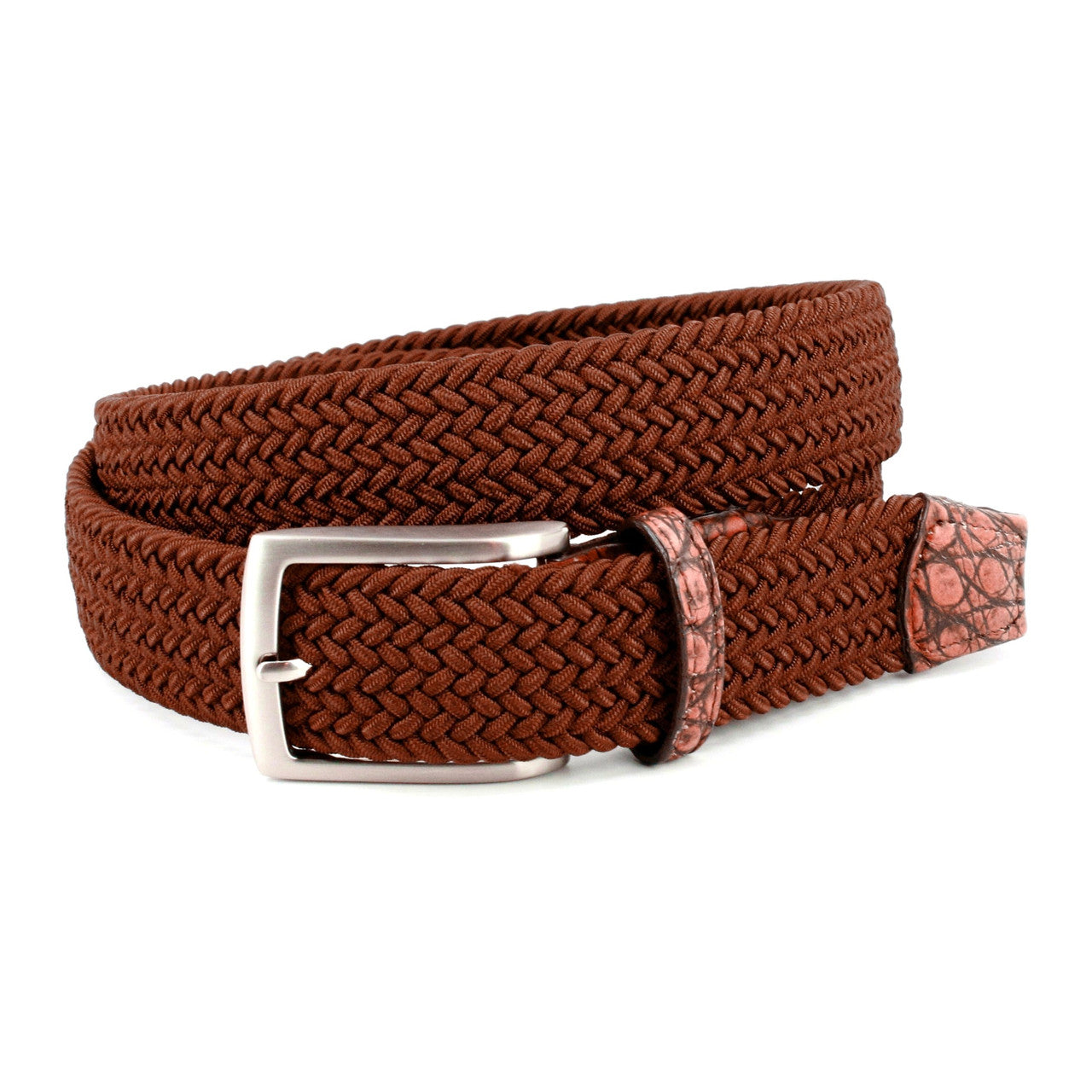
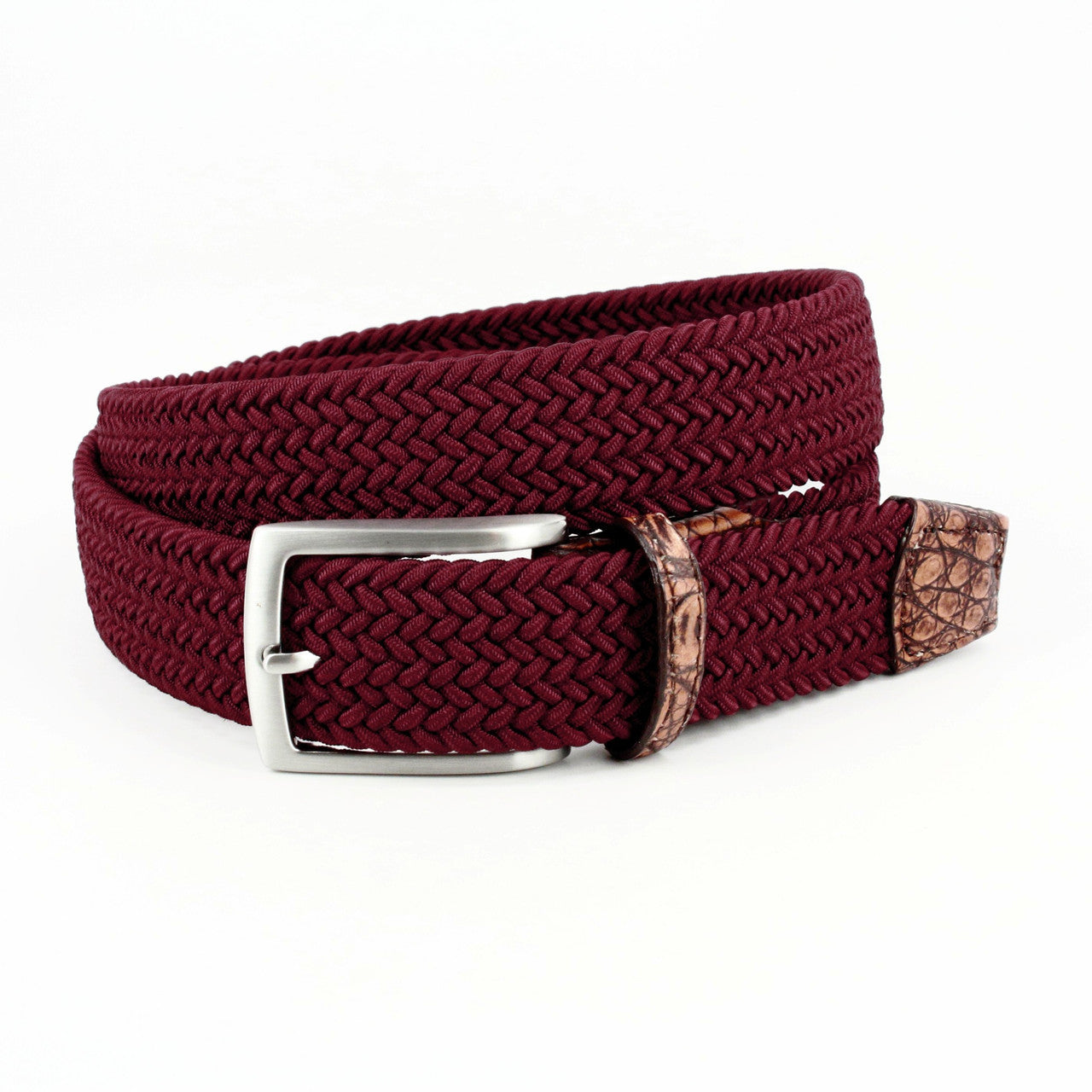
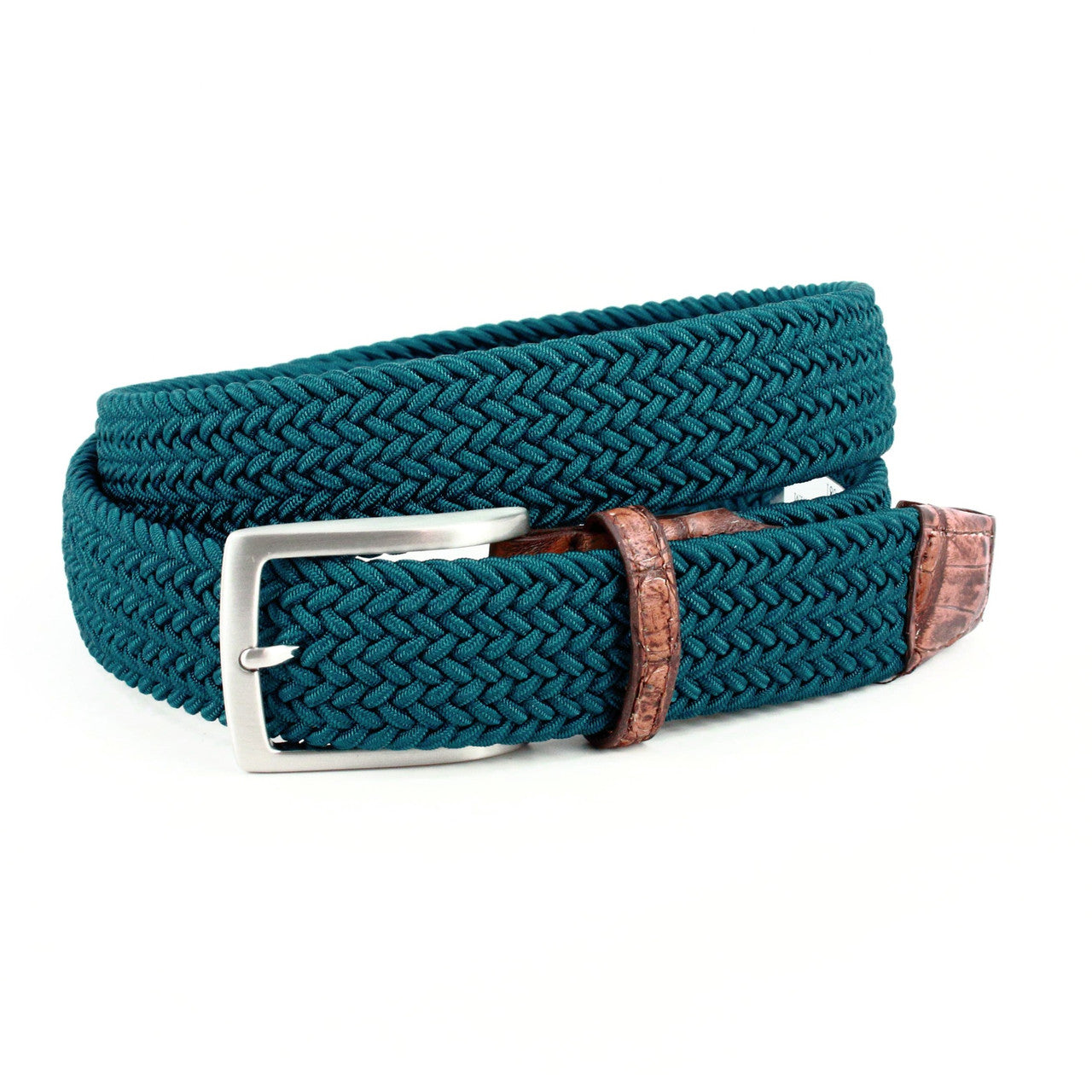
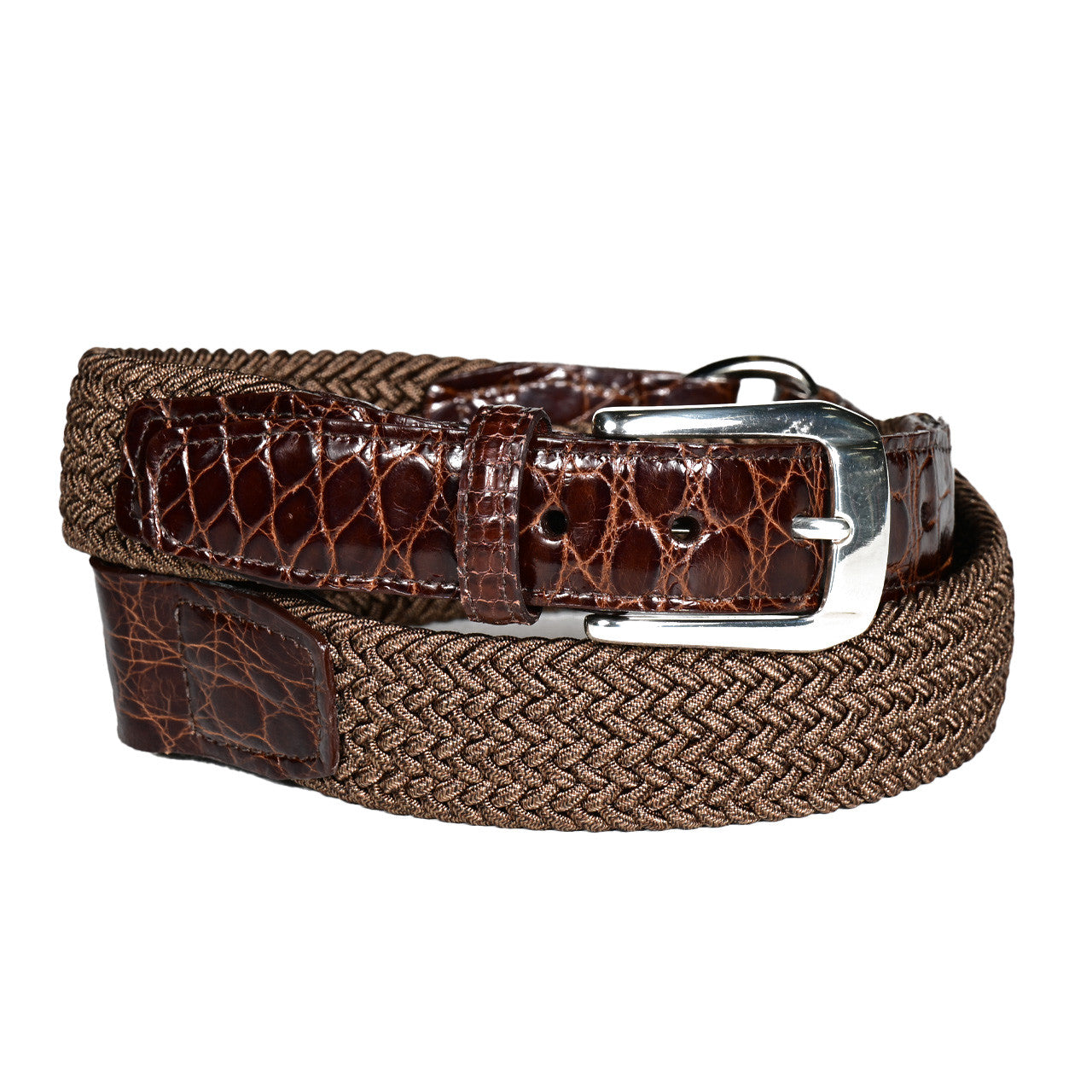
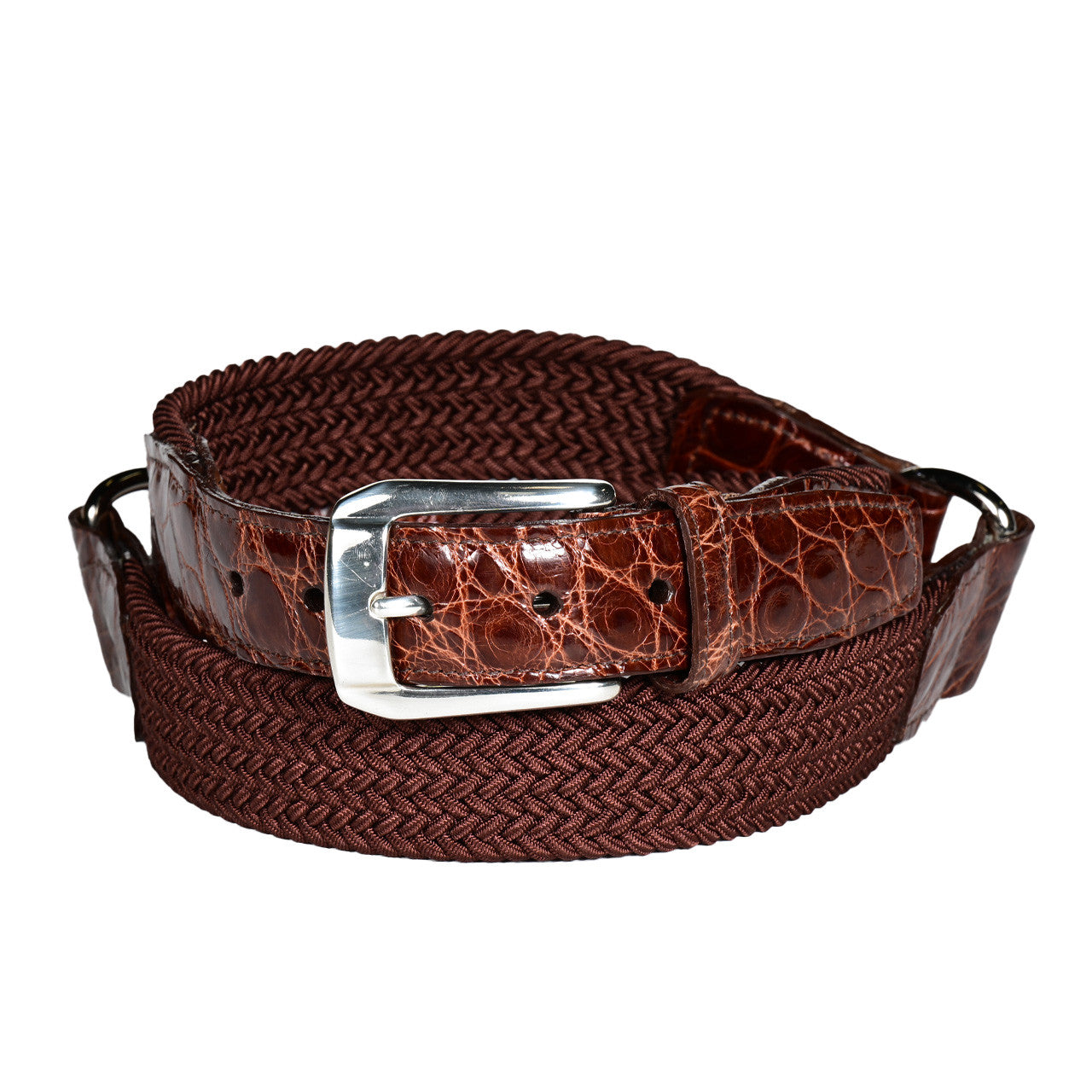
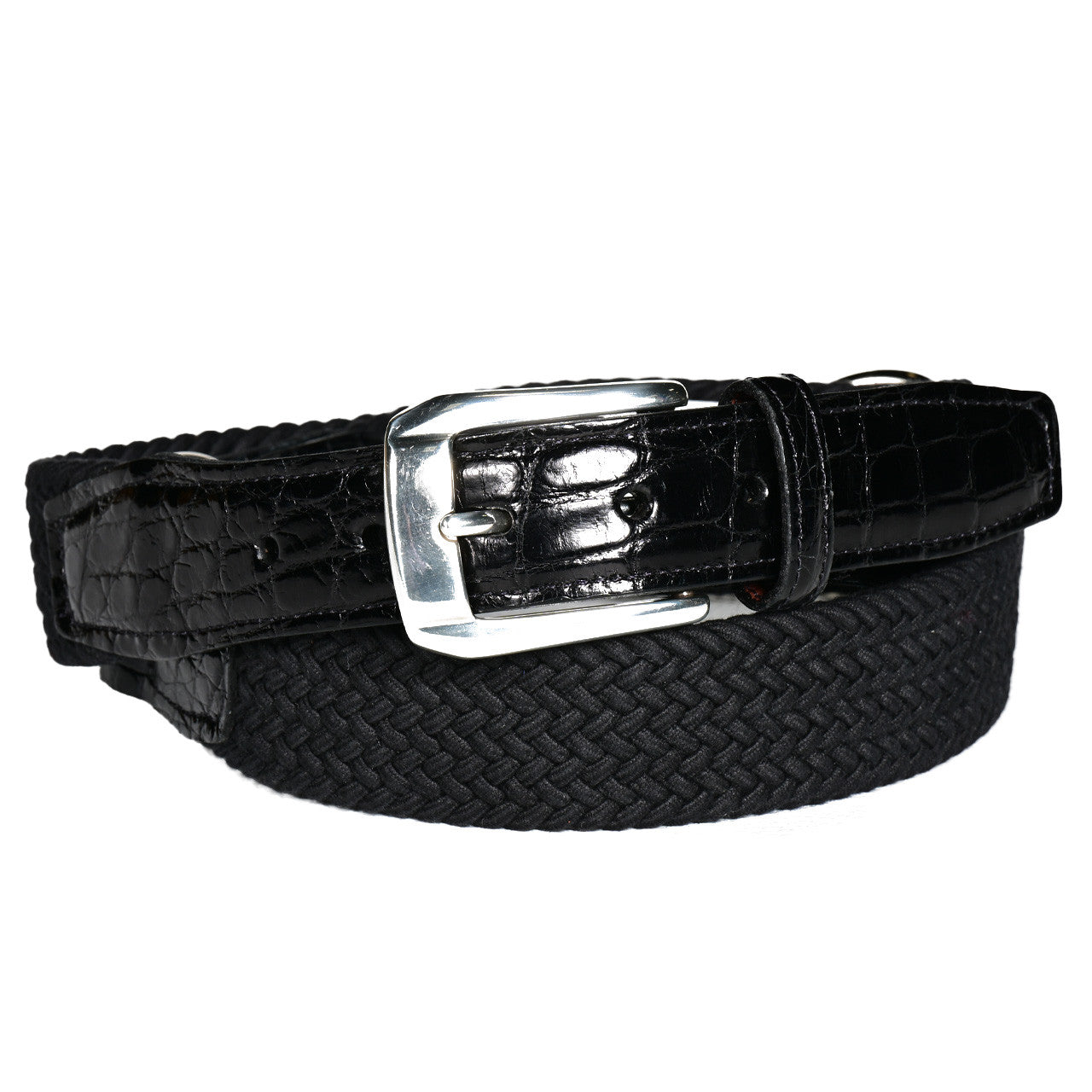
An exotic trimmed belt is a woven fabric strap with genuine exotic tabs at the ends. The rayon stretch with caiman tabs is $180. The three-piece woven Italian rayon with American alligator is $475. You get real skin at the visible end and stretch through the middle, which is a fair trade for a lot of men and a much easier entry point.
Buckles and widths
Most of these have removable buckles. Strap and buckle separate at the tab, so a $520 alligator strap isn't locked to one look, and a damaged buckle doesn't cost you the belt.
A few ship with a specific buckle as part of the design, including the etched silver styles at $550. Those are noted on the product page.
Widths run from standard dress through a wide-width alligator at $575 for anyone who wants more presence.
Living with an exotic belt
Use less product than you think. These skins are finished at the tannery and don't want to be fed the way a vegetable-tanned strap does. A dry cloth does most of the work.
Never fold one. Roll it or hang it flat, because a crease across scales doesn't relax out the way a crease in calf does. Keep them out of standing water, and if one gets wet, blot it and dry it away from heat.
Rotate. Any belt worn daily fatigues at the buckle fold first, and that's true at $345 as much as at $575.
Related
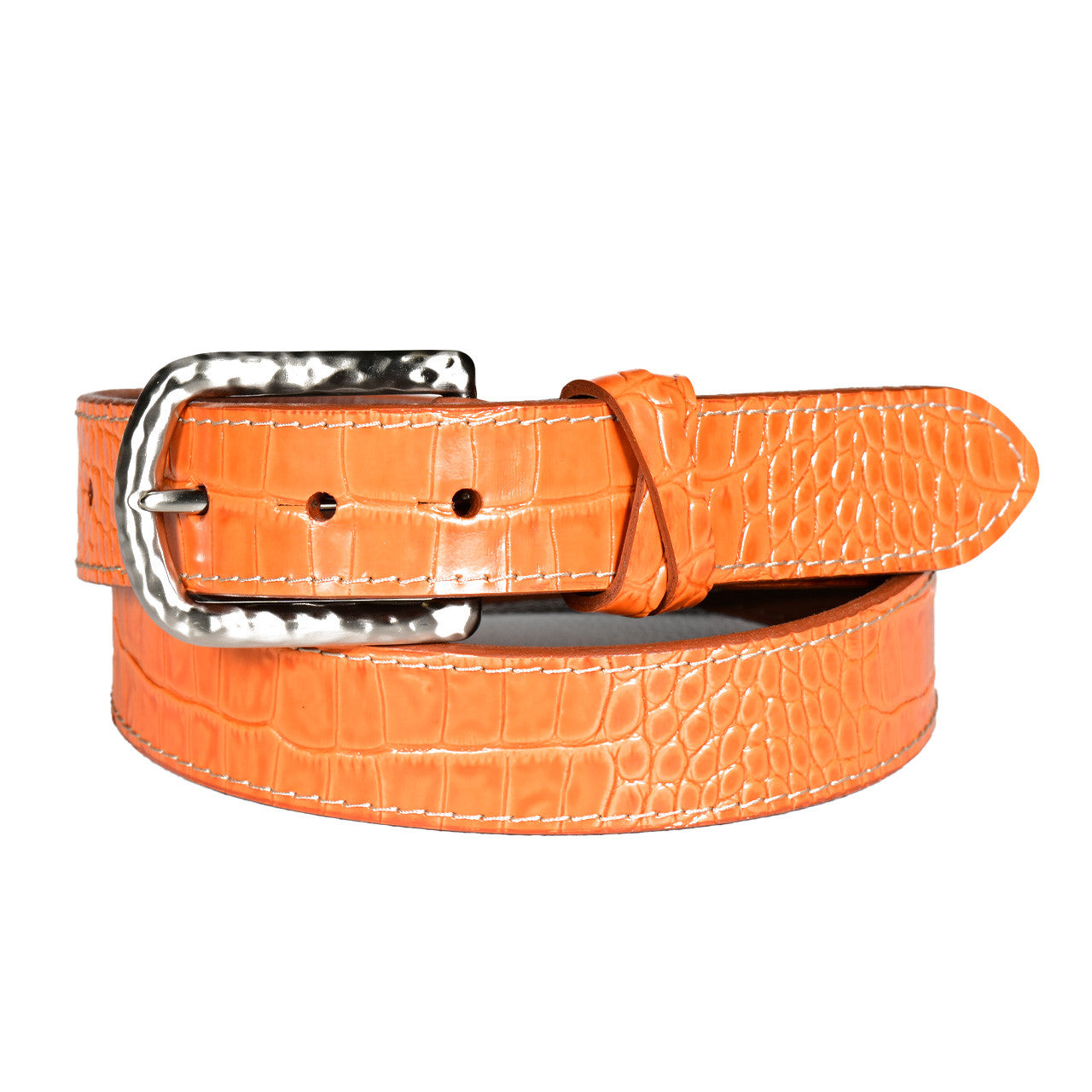
For how to tell alligator, caiman, and crocodile apart by looking at the scales, see Dress Belts, where we break it down in detail. If you want the look without the price, Embossed Exotic is calfskin stamped with the pattern, and we always label it as calfskin. Shop by skin in Alligator, Caiman, and Ostrich. Longer sizes are in Extended Sizes, and the whole line is in all belts.
Questions we get
Is it legal to buy an alligator belt?
Yes. American alligator is farmed and managed under state and federal programs, skins are tagged, and international shipment runs under CITES. The regulated trade is part of why the species recovered.
Why is caiman so much cheaper than alligator?
Supply and grain quality. Caiman is farmed widely in South America and has smaller, harder scales with a bony ridge in each tile. Alligator has larger, smoother tiles and is the more valuable skin. Caiman runs $345 here and alligator starts at $520.
Will my belt look exactly like the photo?
No, and that's the nature of the material. Tile size, quill spacing, and color depth vary from hide to hide. Every strap is cut and matched individually.
What is pirarucu leather?
Pirarucu, also called arapaima, is a very large Amazonian freshwater fish. The scales overlap like roof tiles, which makes an unmistakable pattern. It's fished under managed quotas in Brazil and the skin is a byproduct of the food fishery.
What is the difference between ostrich and ostrich leg?
Ostrich is the familiar quill pattern from the body of the bird. Ostrich leg is a scaled, almost reptilian looking hide from the leg of the same animal. They look nothing alike.
How should I care for an exotic belt?
Wipe it with a dry cloth and use very little conditioner. Never fold it, roll or hang it instead, and keep it away from standing water and heat.
What is the least expensive way into an exotic belt?
A woven stretch strap with genuine caiman tabs at $180. Full exotic skins start at $345.